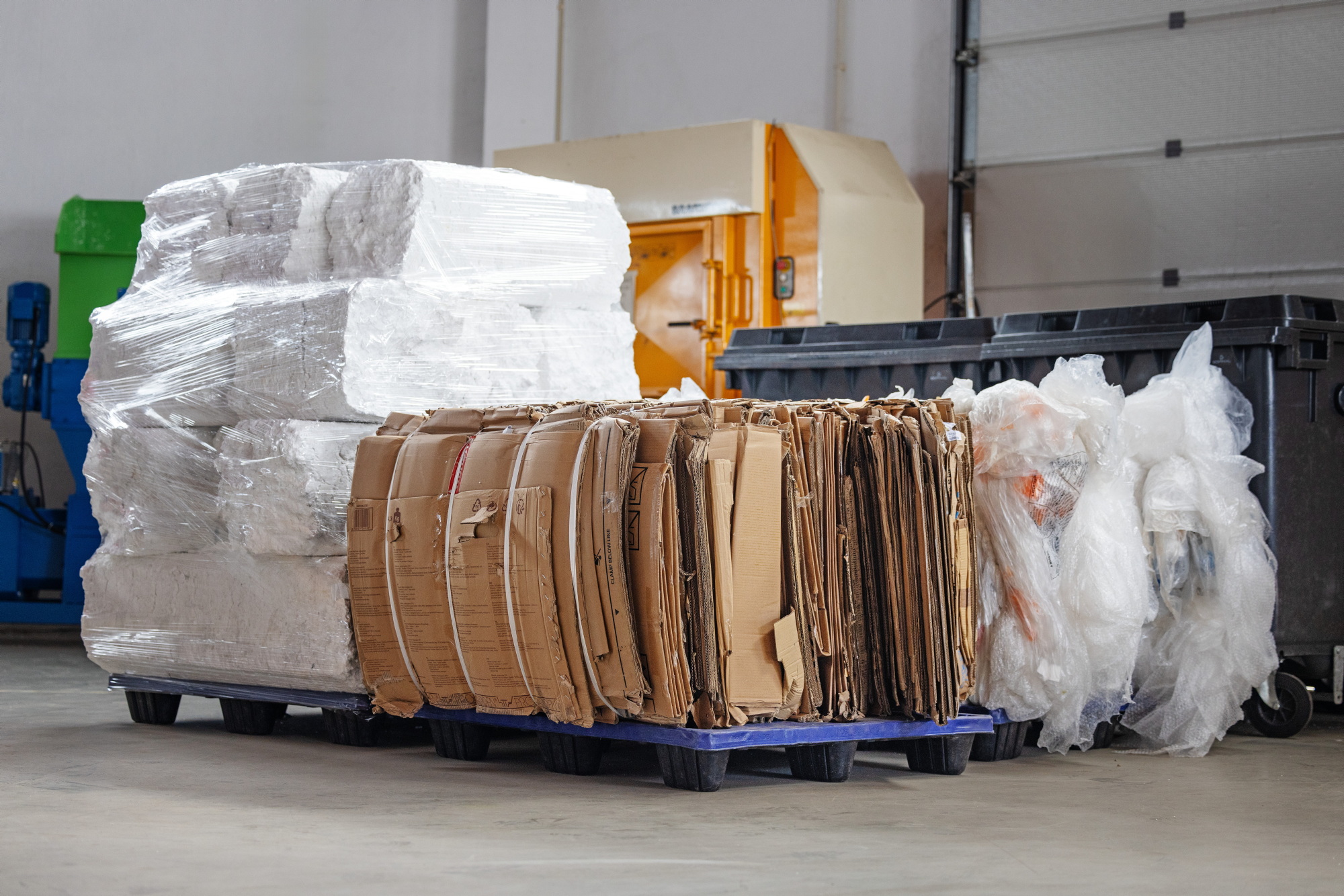
Source recovered fibers with a clearer route forward
BEWI Connect helps buyers access OCC, recovered fibers, paper rolls, and related streams through trusted trading, logistics support, and practical understanding of supply, handling, and downstream fit.
FIBERS SOURCING
A practical route to recovered fibers supply
Recovered fibers sourcing depends on more than demand alone. Material composition, consistency, handling, and logistics all shape what is workable. We help buyers understand the supply route and connect sourcing needs to practical commercial and operational conditions.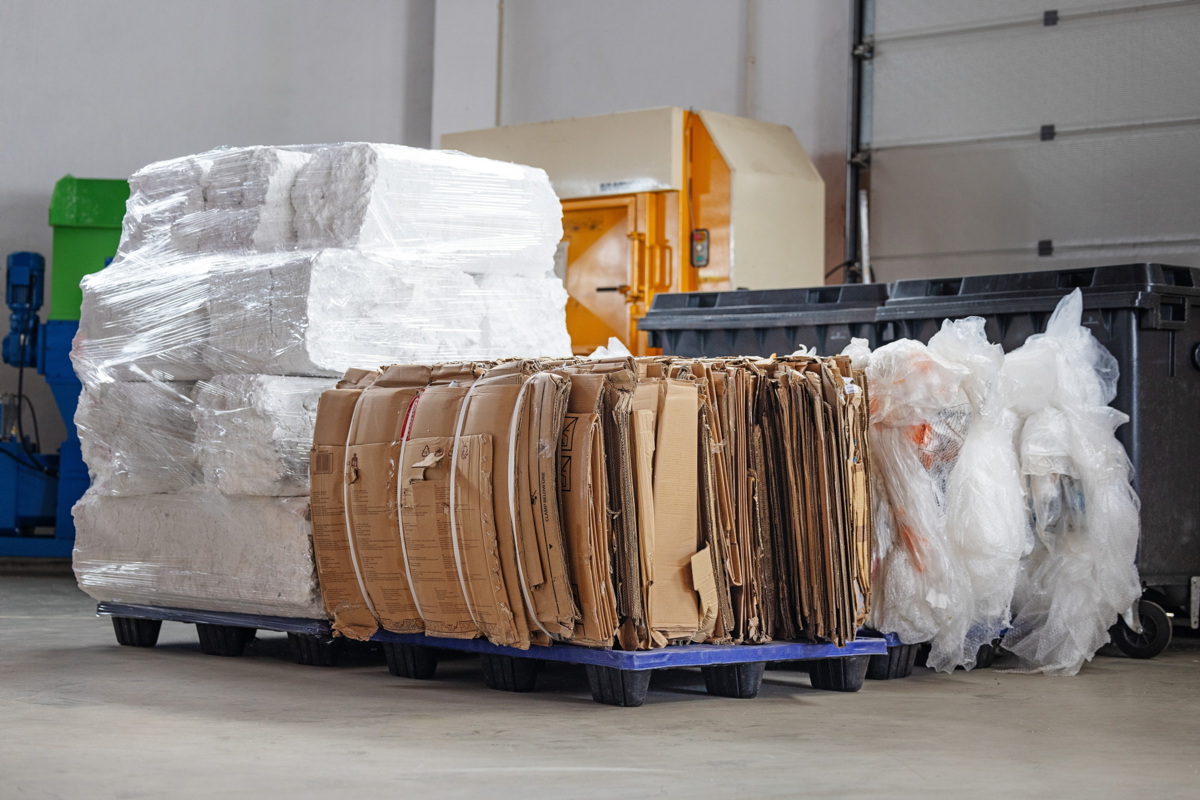
Request Information
What matters when sourcing fibers

Grade specification determines mill compatibility
OCC Grade 11, DSOCC Grade 12, sorted office paper, and mixed fibers are entirely different commercial products with different buyer pools. Your mill's intake specification determines which grades are relevant — and which will be rejected regardless of price.

Moisture is the primary quality risk in transit
Recovered fibers loses commercial value quickly when exposed to moisture. A load rejected at the mill gate for exceeding 12% moisture has zero recovery value. Sourcing from suppliers with indoor storage and correct baling practices is not optional — it's part of how we assess supply quality.

Volume structure and delivery timing shape logistics
Mill-standard bales (typically 800–1,500 lbs) optimise container fill and reduce logistics cost per tonne. We structure supply around your intake schedule, not the other way around.
Why fibers grade and supply consistency define value
For paper mills and board manufacturers, OCC is not just a commodity. Its quality affects pulp yield, processing cost, and finished product quality. Grade 11 OCC is the most widely traded and mill-preferred grade, while DSOCC (Grade 12) can command a premium when volume and separation quality are consistent. Contamination can lead to full load rejection. We source from generators and aggregators whose handling practices we know and trust.
Request materials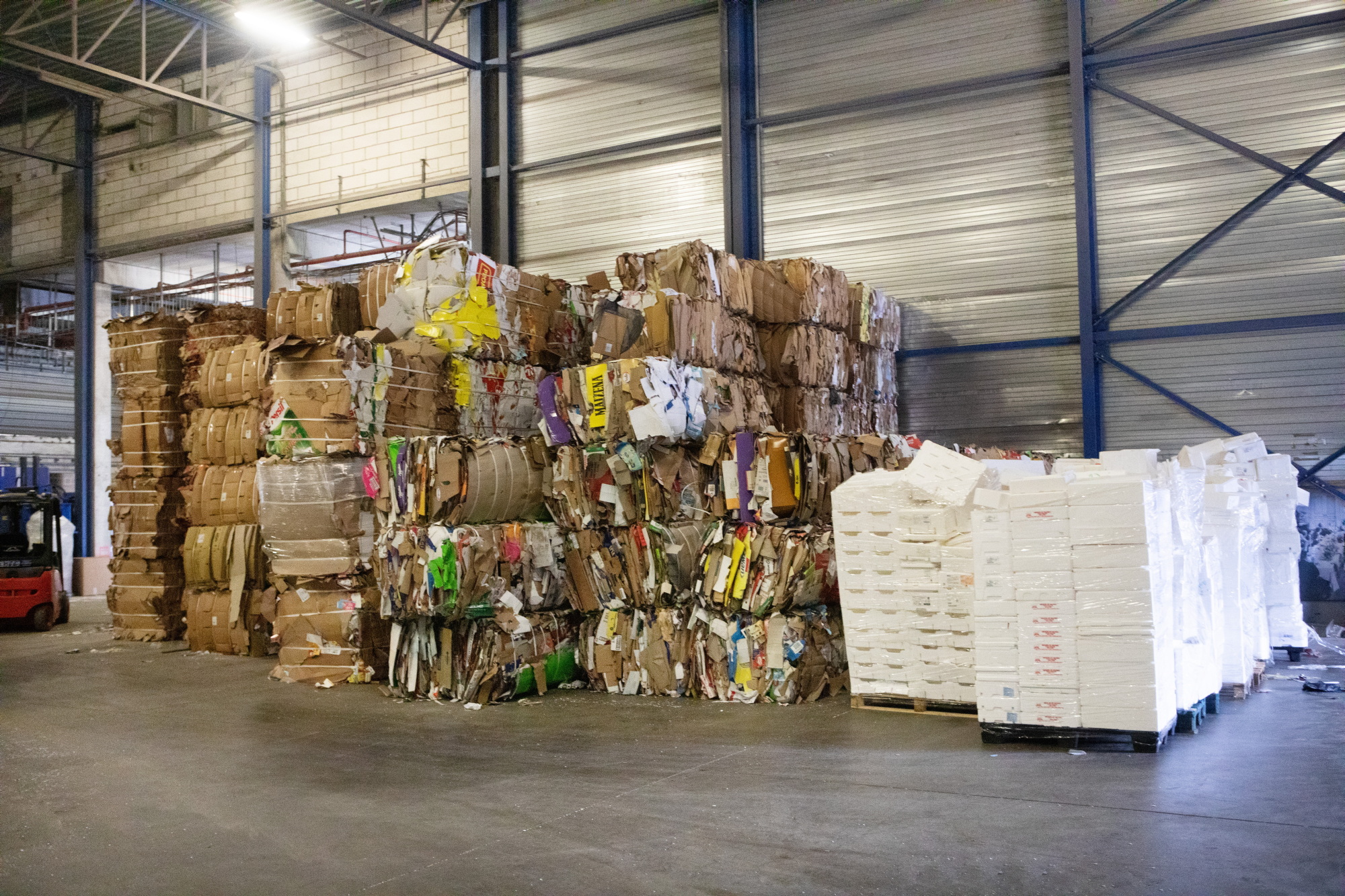
Why buy fibers from BEWI Connect

Fiber grade knowledge on the supply side
We understand the difference between OCC 11, DSOCC 12, ONP, SOP, and mixed paper — not just as labels, but in terms of where they're generated, what quality issues arise by source type, and which grades perform reliably at industrial scale.

Supply assessed for mill compatibility
We evaluate supply sources for moisture risk, contamination level, bale consistency, and handling practices before presenting them to mill buyers. The goal is material that performs at your intake, not just material that ships.

Logistics built for fiber
Fiber is bulky and moisture-sensitive. We coordinate bale specifications, indoor storage requirements, loading sequences, and delivery timing to minimise the risk of quality degradation in transit.

Consistent supply, not spot transactions
Paper mills and board manufacturers require predictable feedstock volumes. We work to establish recurring supply relationships that provide intake continuity — not one-off purchases that leave you searching for the next load.
Fibers streams we can help source
We work with selected recovered fibers materials depending on quality, format, availability, and market fit.
OCC
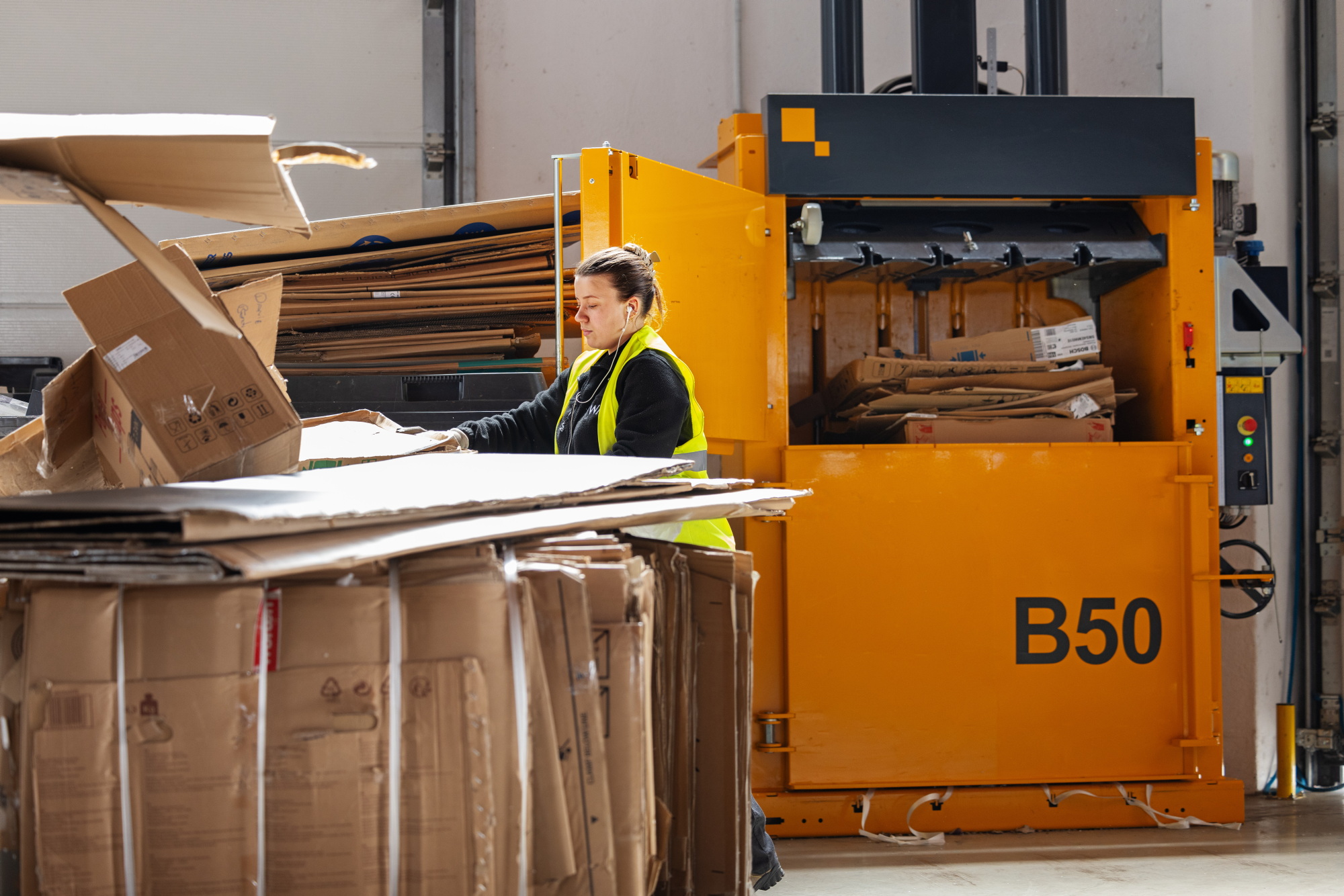
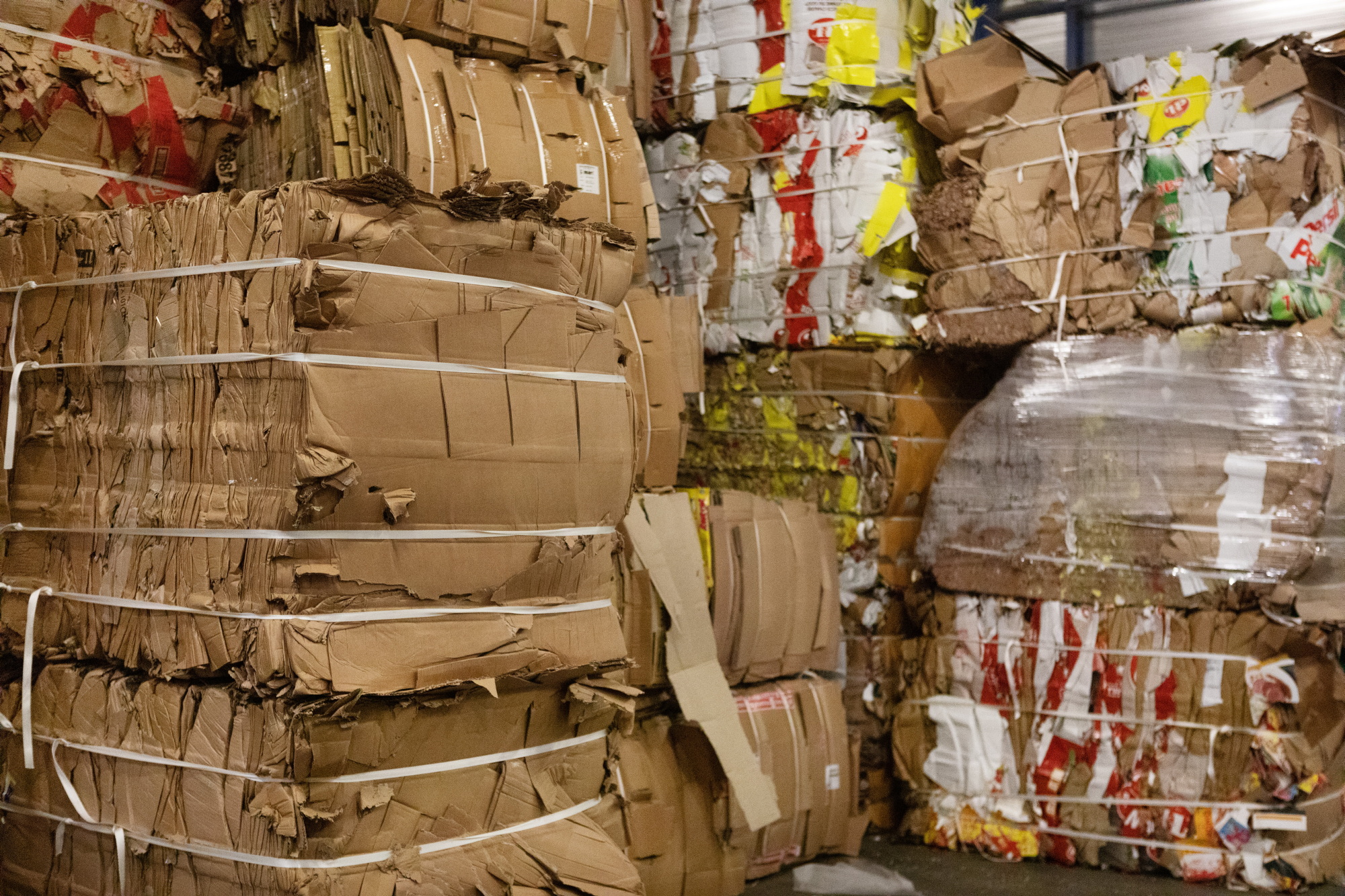
Grade 11 OCC from commercial, industrial, retail, and e-commerce distribution operations. The most actively traded recovered fiber grade globally. We source from generators with consistent volume, correct handling, and moisture management. Contamination and bale weight verified before delivery.
DSOCC
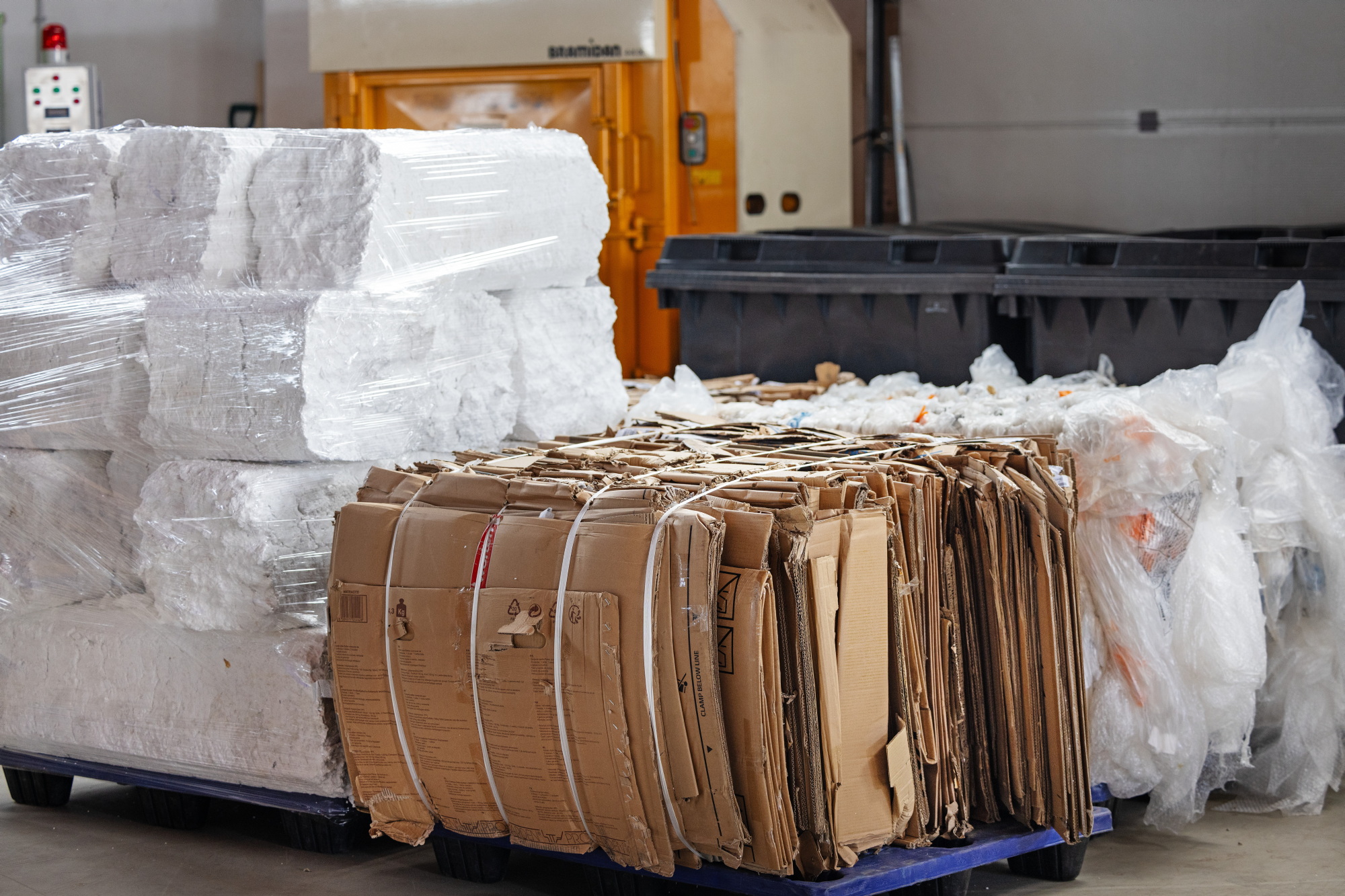
Premium recovered corrugated with lower contamination thresholds. Preferred by mills with stricter intake specifications. Supply is less abundant than standard OCC — we assess availability against your required volume before committing.
DLK
High-quality double lined kraft generated from packaging production, converting operations, and industrial paper streams. Typically cleaner and more consistent than mixed recovered fiber grades, making it suitable for mills with tighter input requirements. Availability depends on format, fibre quality, and volume consistency — we assess source fit before committing.
Paper rolls and mixed fibers grades
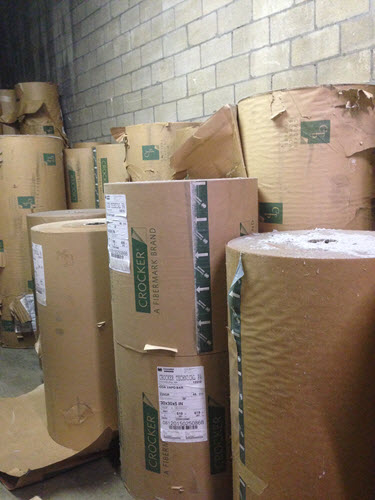
Overruns, converting waste, and sorted recovered paper grades (SOP, ONP) for specific mill applications. Viability depends on grade consistency and volume — we assess source suitability per inquiry and will tell you clearly when a grade is not reliably sourceable at your volume.
How we source fibers for your operation
Tell us your required fibers grade, acceptable contamination level, bale specification, monthly volume, and delivery location. We assess available supply for grade fit, handling quality, and volume consistency, then respond with a direct view of availability, pricing, and logistics. We work to current market conditions and tell you what is achievable now — not what looked possible months ago.
Request materials
Fibers logistics: why supply chain quality control matters as much as price
For mill buyers, the main risk in fibers sourcing is not finding material but receiving loads that fail at intake. Rejected loads due to moisture or contamination create disruption, wasted transport cost, and hard-to-fill supply gaps. We reduce this risk by sourcing from generators whose handling practices we know and by building logistics routes that support consistent delivery and better intake planning.
Explore logistics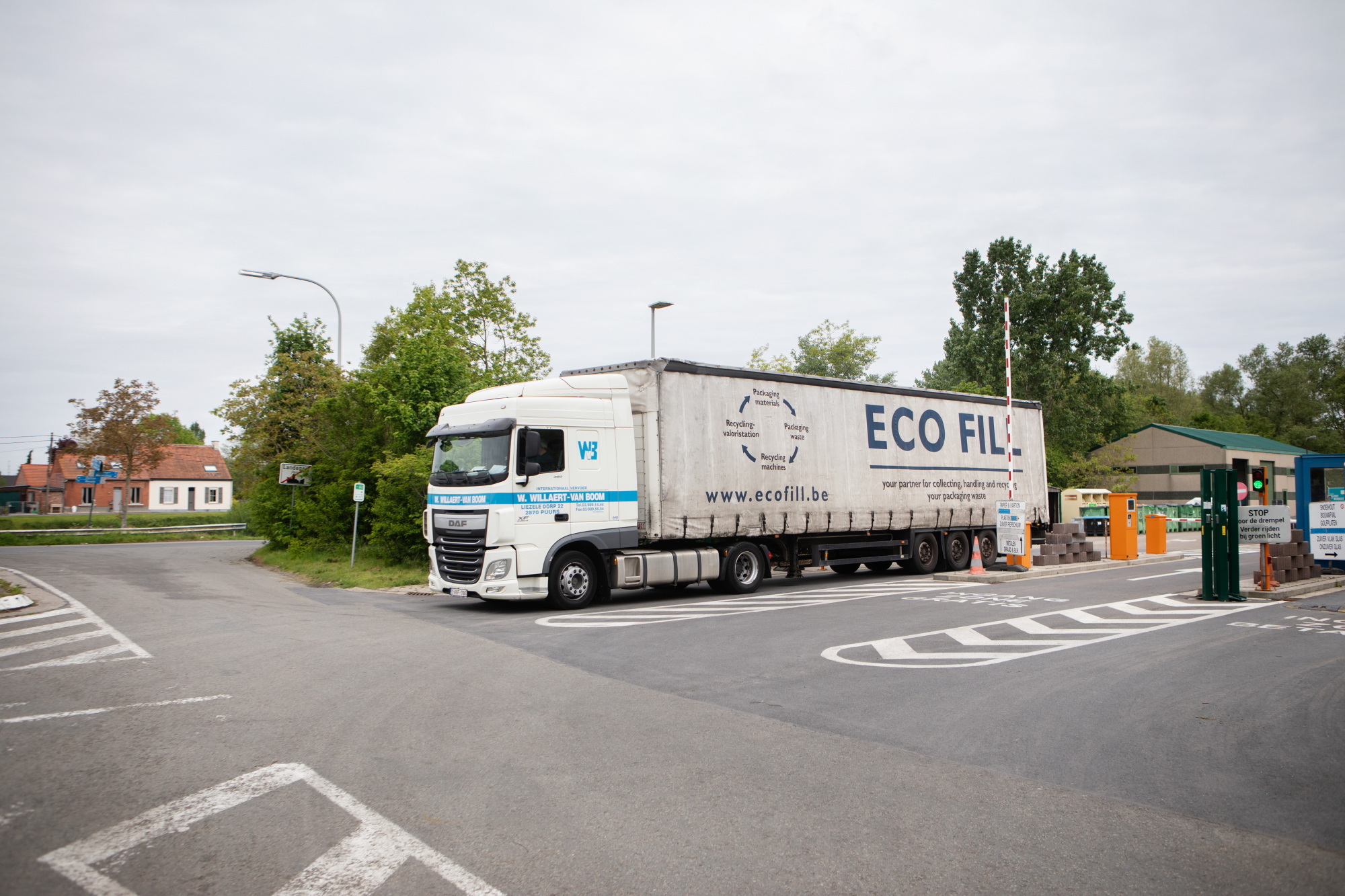
Tell us what fibers material you need
Share your required grade (OCC, DSOCC, sorted paper, or mixed), contamination tolerance, bale specification, monthly volume, and delivery location. Our traders will respond with a direct answer on current supply availability, quality assessment, and commercial terms.
Contact usRelated Products
View all related products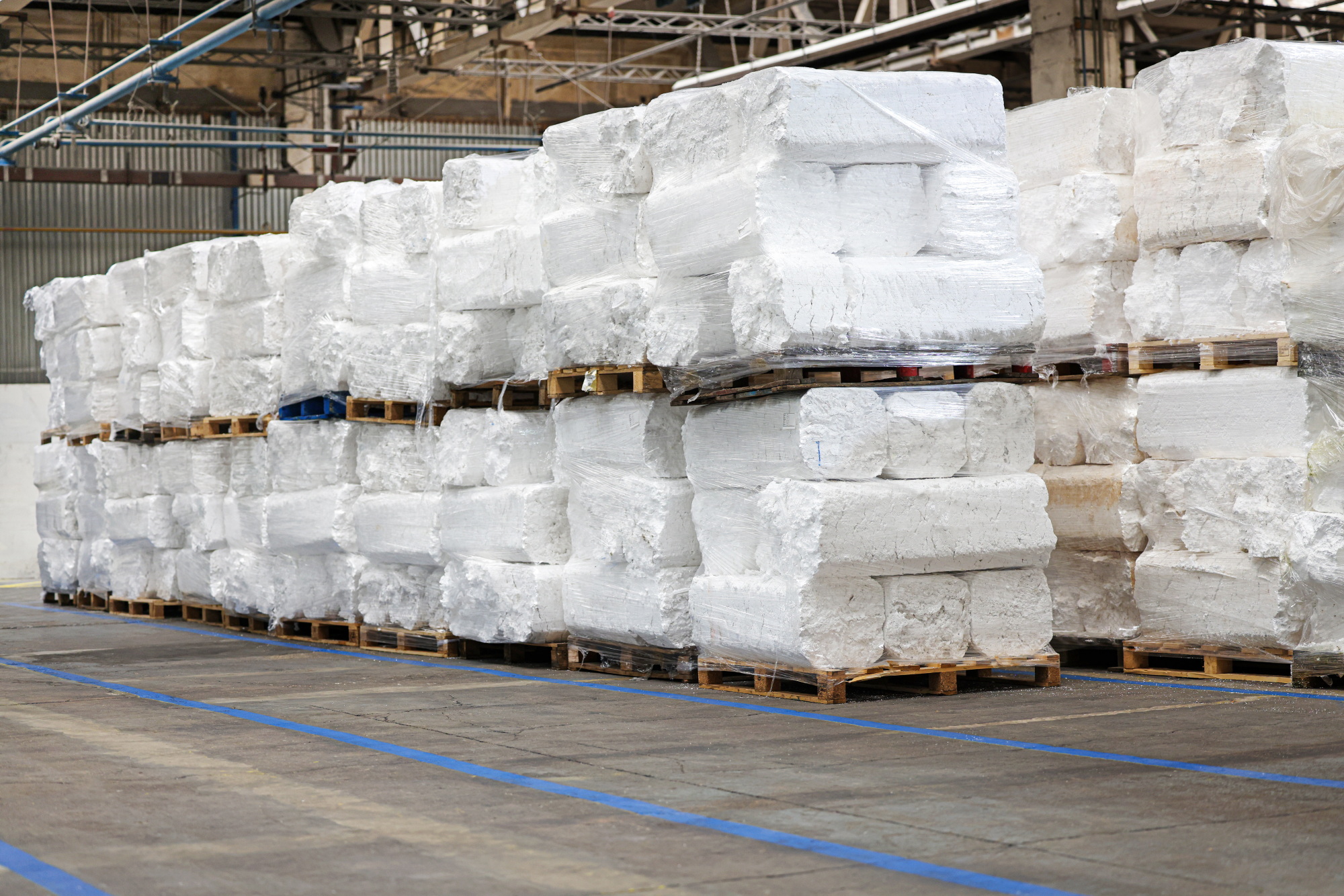
EPS
EPS streams linked to packaging, fish boxes, construction, and industrial applications — especially where preparation, density, and movement affect supply practicality.
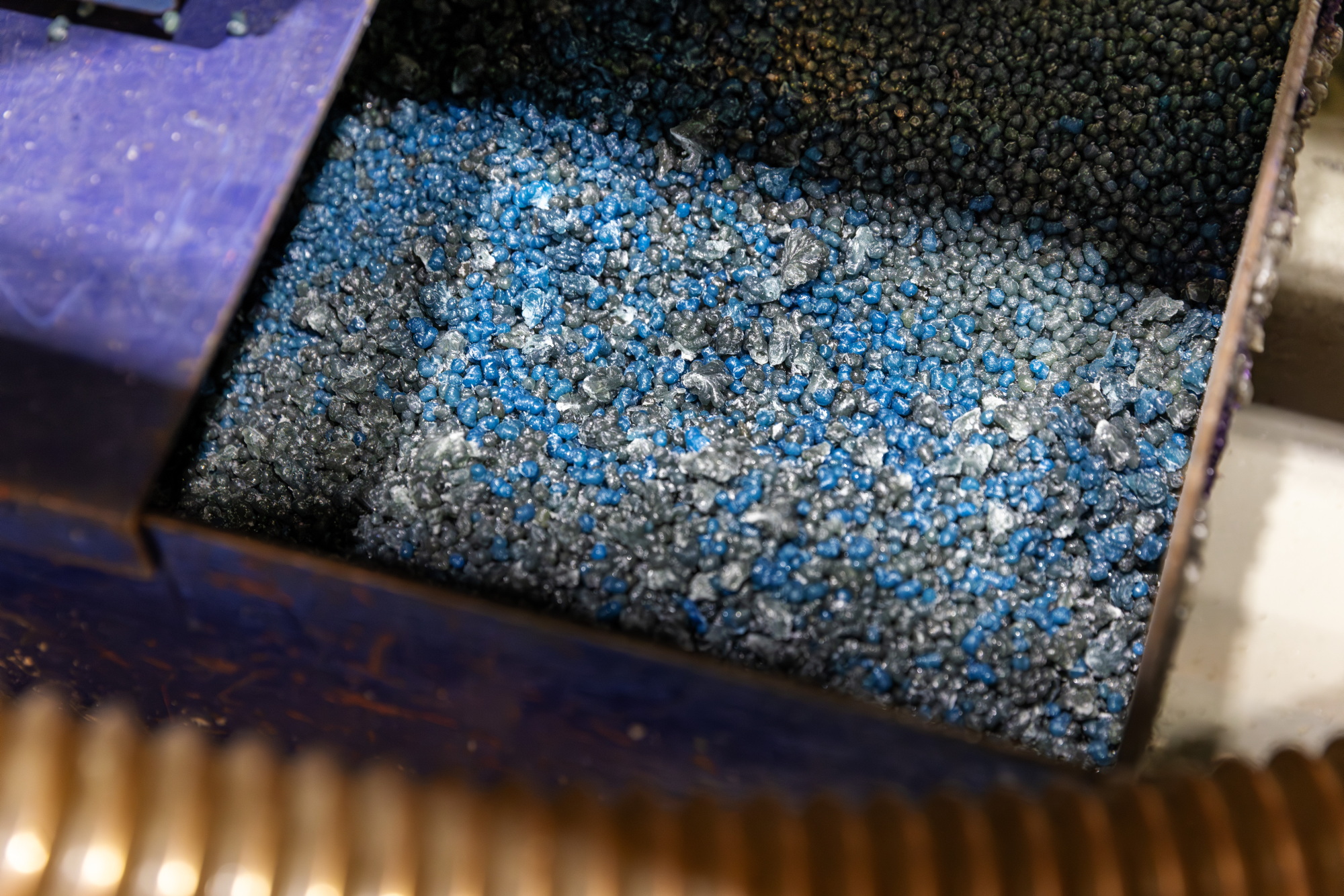
Plastics
Plastic materials such as LDPE, PET, and GPPS, assessed for polymer type, format, consistency, and fit with downstream processing needs.
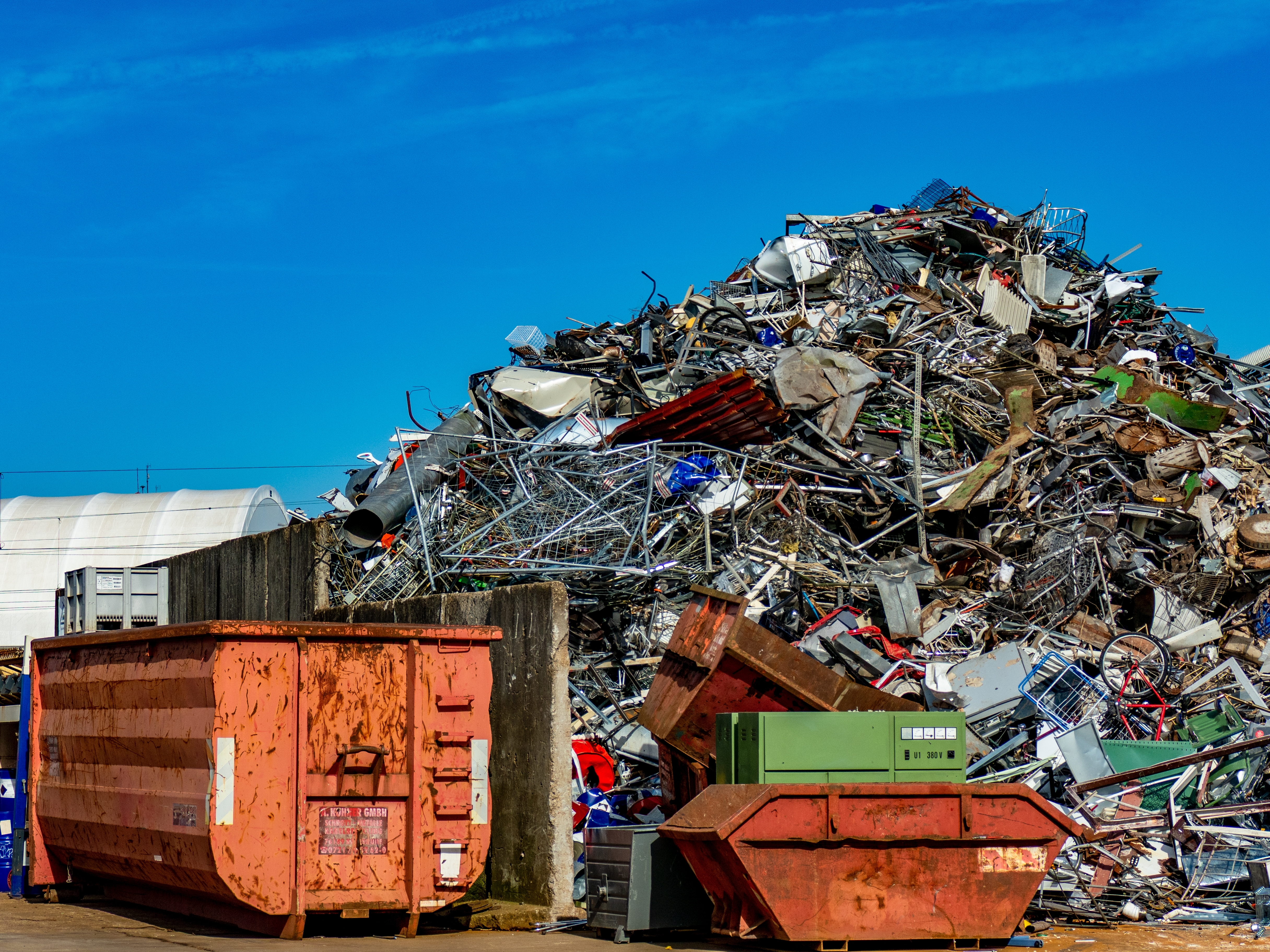
Metals
Metal streams considered by type, separation, condition, and suitability for industrial use or downstream processing.