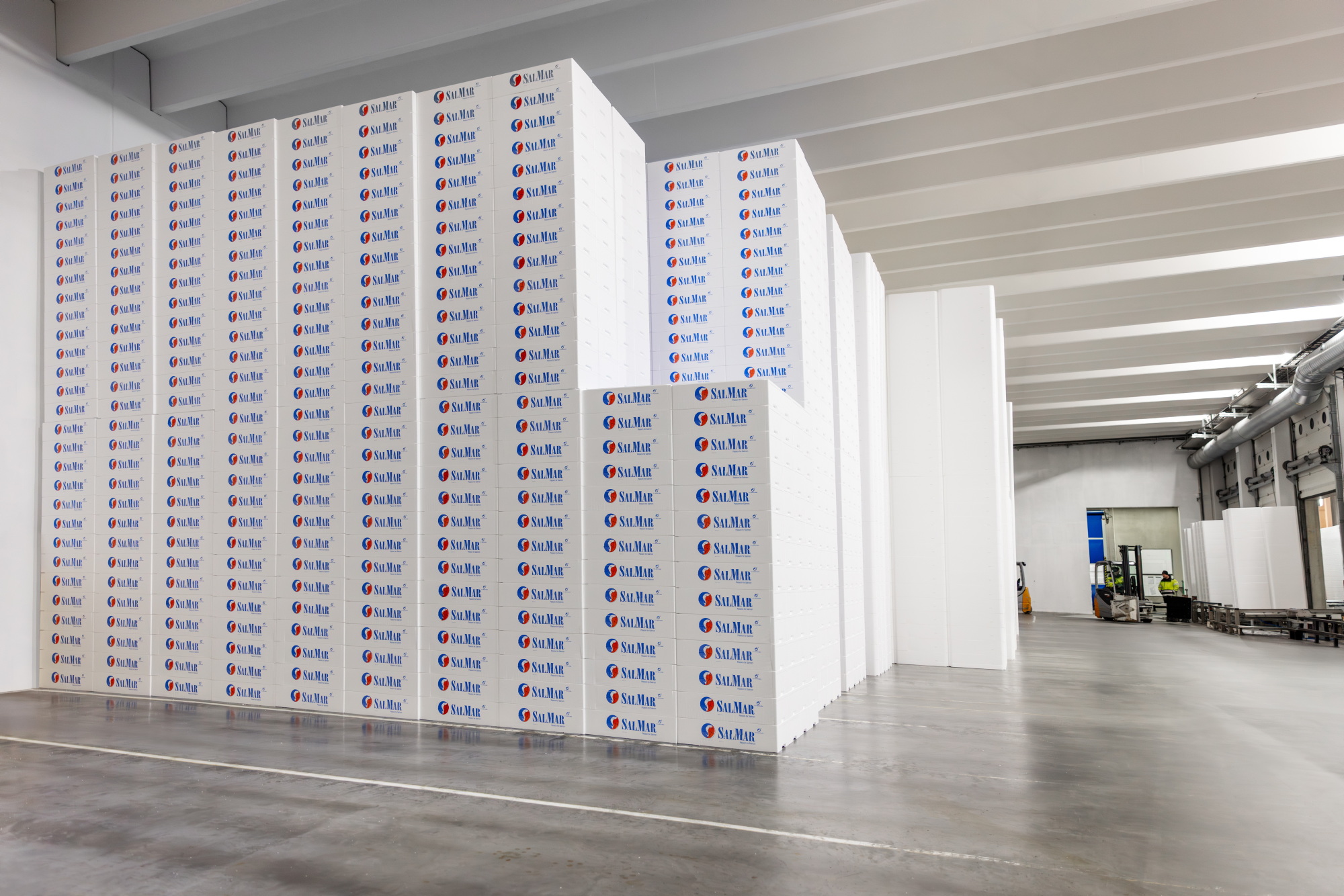
A major source of recyclable EPS material
Fish processing and distribution operations generate some of the most consistent and high-volume EPS streams in any industry. Cold-chain packaging cycles through fast, volumes are predictable, and the recovery economics are strong when collection and densification are set up correctly. BEWI Connect has specific experience moving fish-industry EPS — from collection through to verified downstream use.
A proven EPS recovery stream
Fish boxes and cold-chain EPS packaging cycle through operations on predictable schedules, creating one of the most consistent EPS supply streams available. The material is often clean relative to other EPS sources, which improves downstream acceptance. Volume per site can be substantial — making densification economics significantly more favourable than for smaller or more dispersed generators.
What matters in fish-industry material flows

Consistent, high-volume EPS generation
Fish processing generates EPS fish boxes and cold-chain packaging at scale and on predictable schedules. Volume consistency makes recovery planning and densification investment commercially justified in ways that smaller or mixed EPS sources often aren't.

Time-sensitive operations require logistics that fit
Fish processing runs on strict timing. Collection routes, storage capacity, and pickup schedules need to work within operational constraints — not around them. Recovery that disrupts site flow doesn't last.

Preparation determines downstream value
Fish box EPS can contain moisture, fish residue, and label contamination that affects how material is accepted downstream. Understanding what preparation — rinsing, separation, densification format — makes a stream viable is core to building a route that works.
Fish-industry EPS: volume potential, logistics complexity
Fish box EPS is often clean, consistent, and generated at volume — three factors that make the recovery economics work when logistics are designed correctly. The challenges are operational: cold-chain timing windows, hygiene requirements, and the need for pickup schedules that align with processing flows. We have specific experience working within those constraints — and building collection and densification setups that fit rather than fight the operation.
Sell EPS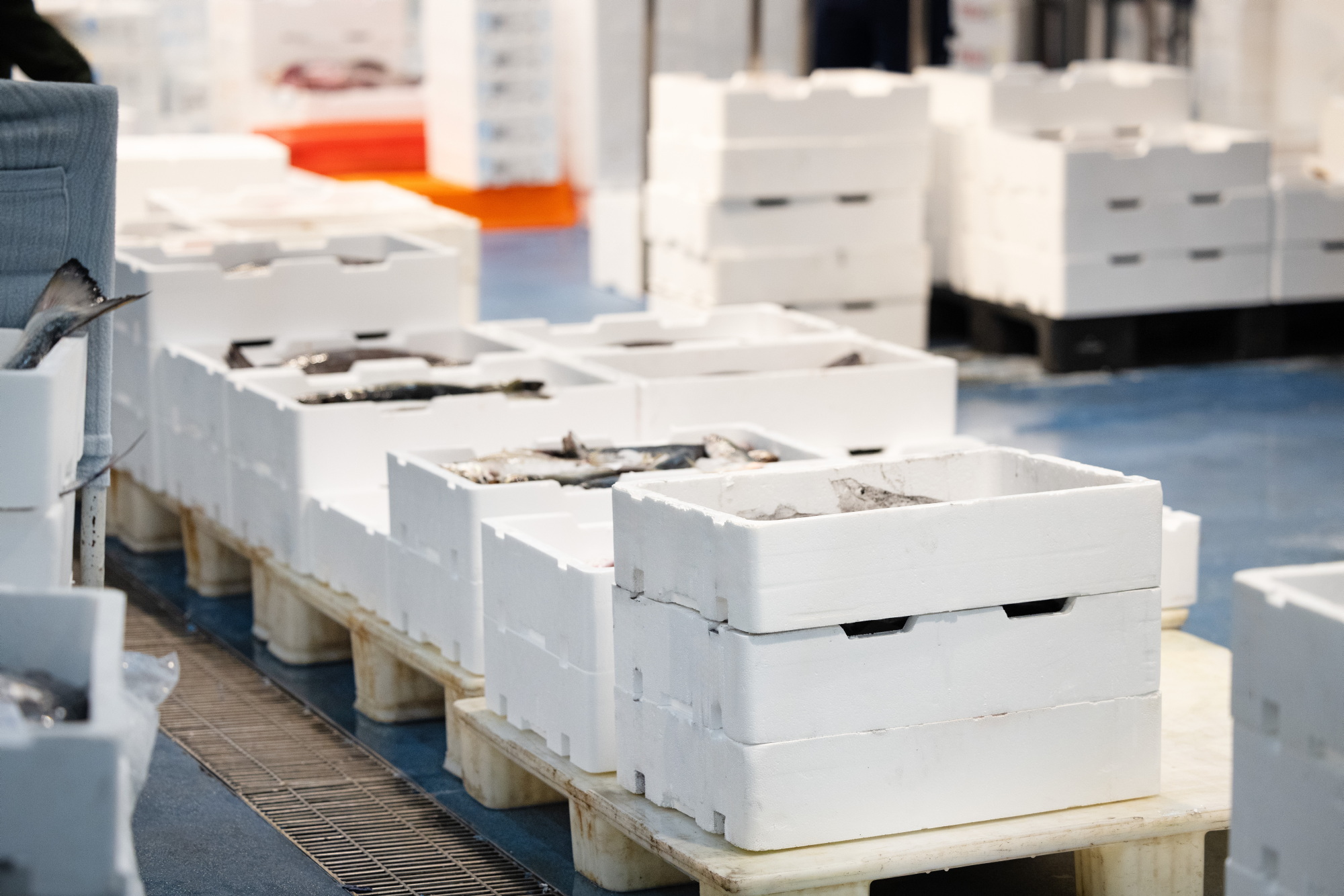
Why BEWI Connect is relevant for the fish industry

Specific EPS expertise in cold-chain environments
We understand how fish box EPS differs from other EPS sources in terms of contamination profile, density, and downstream acceptance — and what preparation makes the difference between a viable stream and one that gets rejected.

Logistics designed around processing timelines
We understand that fish processing has strict operational timing. Collection routes, storage, and pickup scheduling are built around your operational reality — not a standard template.

Active downstream connections for fish-industry EPS
We maintain relationships with EPS processors and rGPPS producers who take material in recurring volumes. Fish-industry EPS with consistent quality connects to those buyers — we manage that route.
Densification guidance
For operations considering on-site densification to improve logistics economics, we help assess whether the volume justifies the investment — and what setup makes sense for your specific operational environment.
How fish-industry EPS moves from site to downstream use
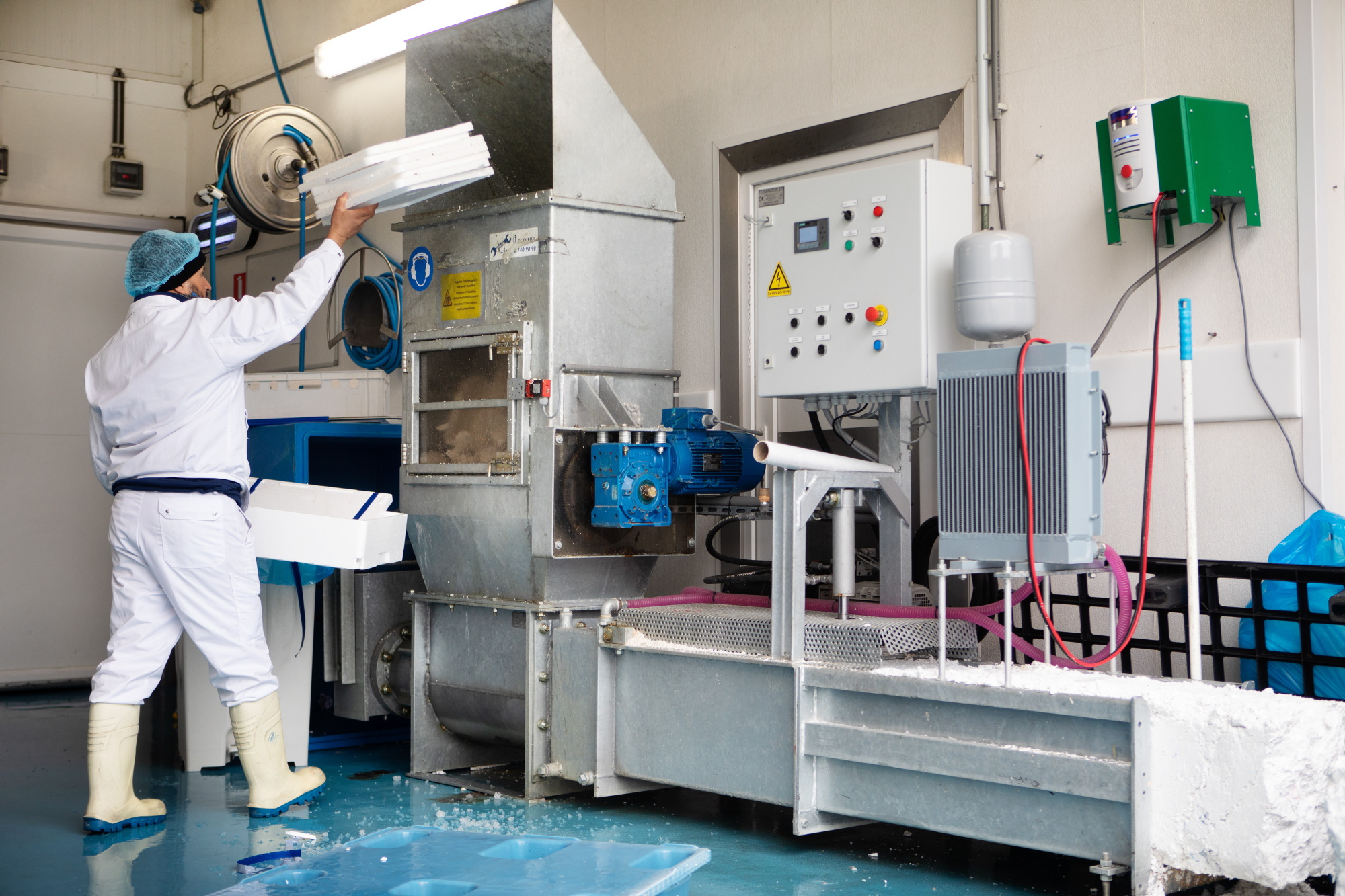
Used fish boxes and cold-chain EPS are collected at processing facilities, portside operations, or distribution points — loose or pre-compacted on-site. Material moves to densification if not already processed, then to EPS processors or rGPPS converters. Hygiene, moisture content, and label separation at collection point determine downstream acceptance quality. Volume per site and logistics distance shape the economics.
Request an evaluation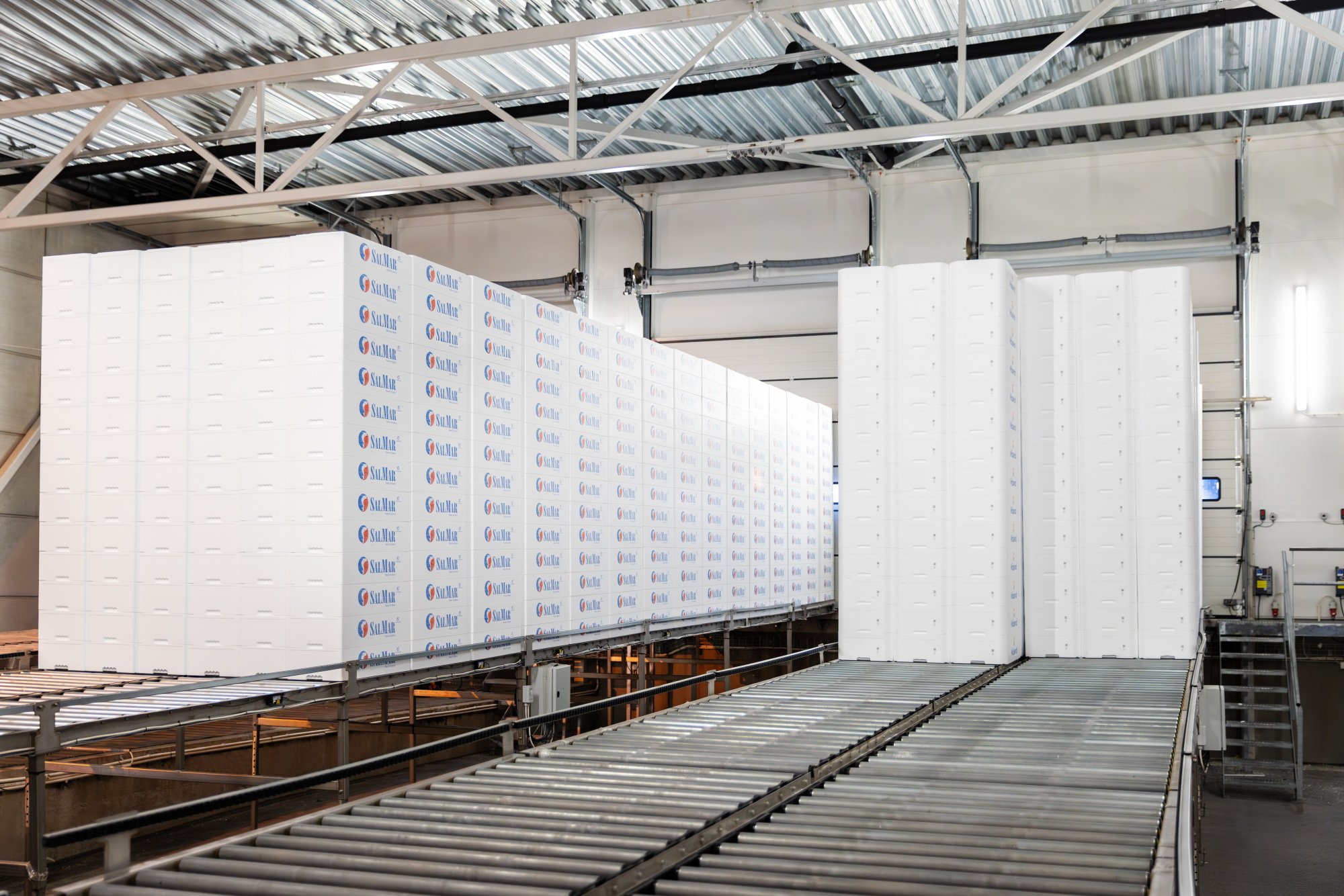
Explore the fish industry by next step
Whether you want to move EPS streams, understand the logistics reality, or see how this industry connects to circular routes, we help direct you to the right place.
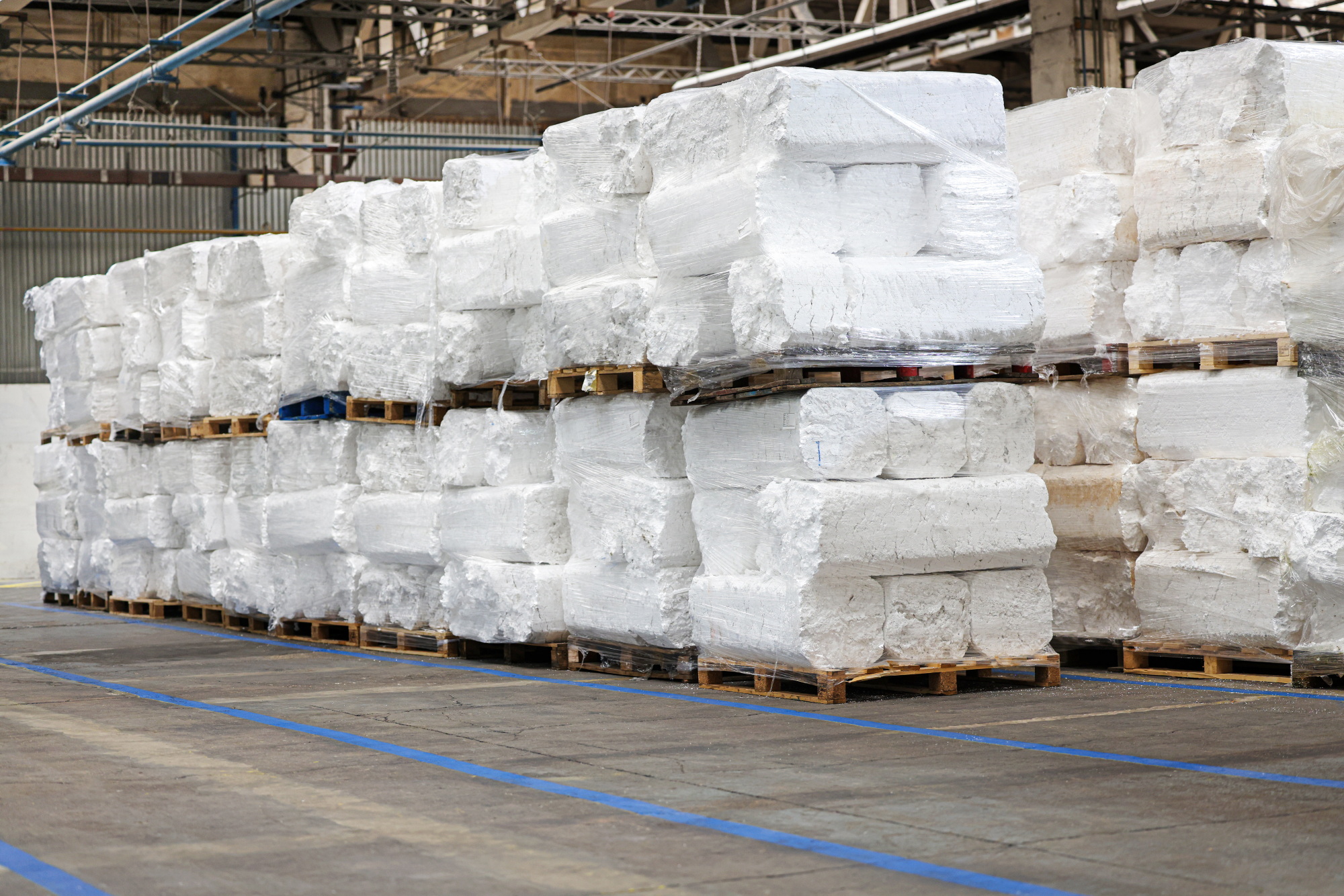
Sell EPS
If your operation generates EPS fish boxes or related packaging streams, explore how we help move them into value.
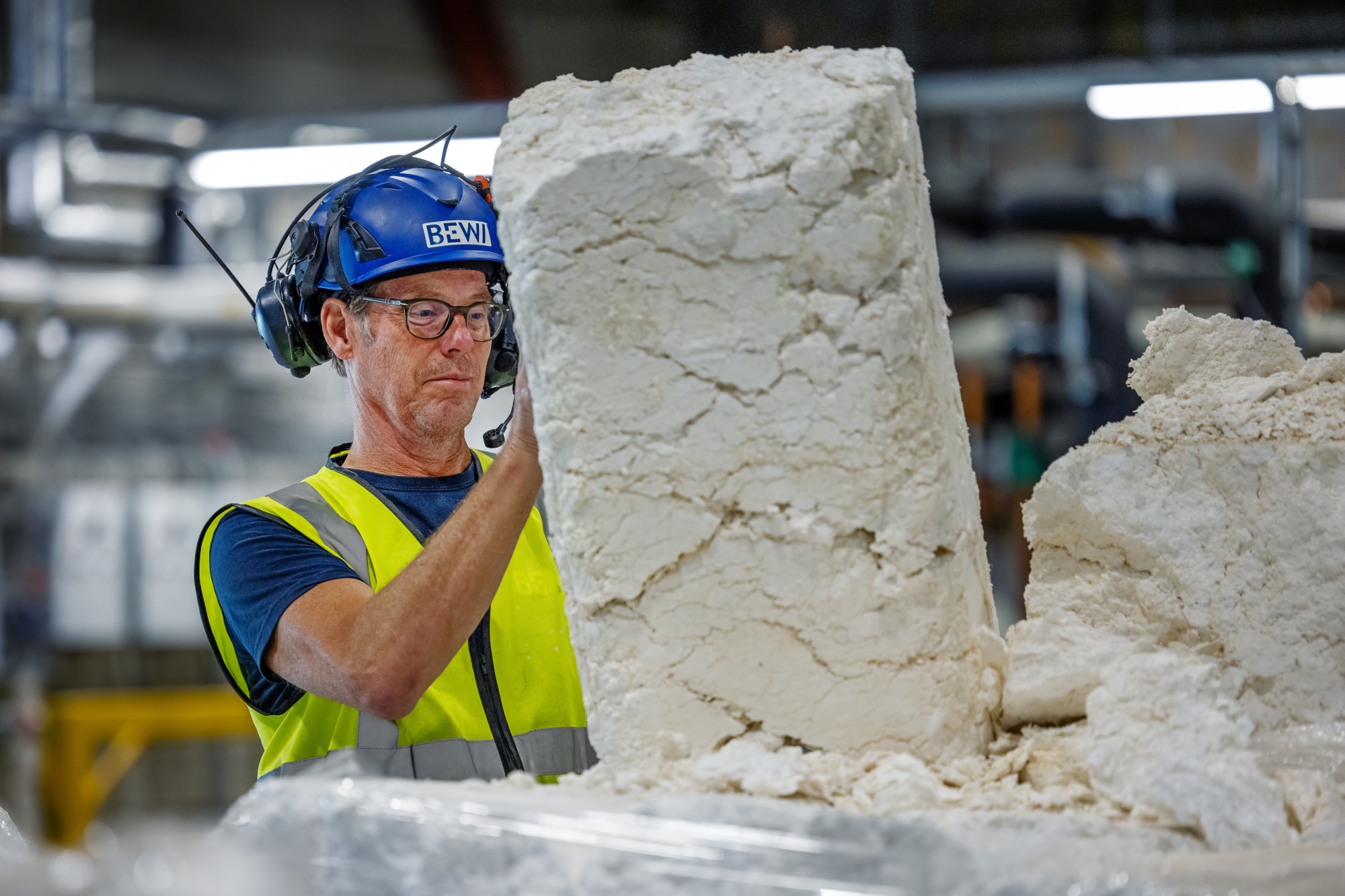
Buy EPS
We help connect buyers with relevant EPS-related streams where a practical route exists.
EPS recycling explained
How EPS moves from fish-industry collection through densification to rGPPS production and new material use.
Recovery that works within your operation, not despite it
Fish-industry EPS recovery only scales when the setup fits production rhythm, storage constraints, and logistics timing. We build supply arrangements around operational reality — not around what would be easiest for us to collect. If the volume justifies a dedicated collection route, we structure one. If aggregation with other generators makes more sense, we say so.
Contact us
Ready to move your fish-industry EPS?
Tell us your volume, packaging format, and site location. Our traders will assess the most practical collection and recovery route — and tell you directly what the commercial terms look like.
Contact us