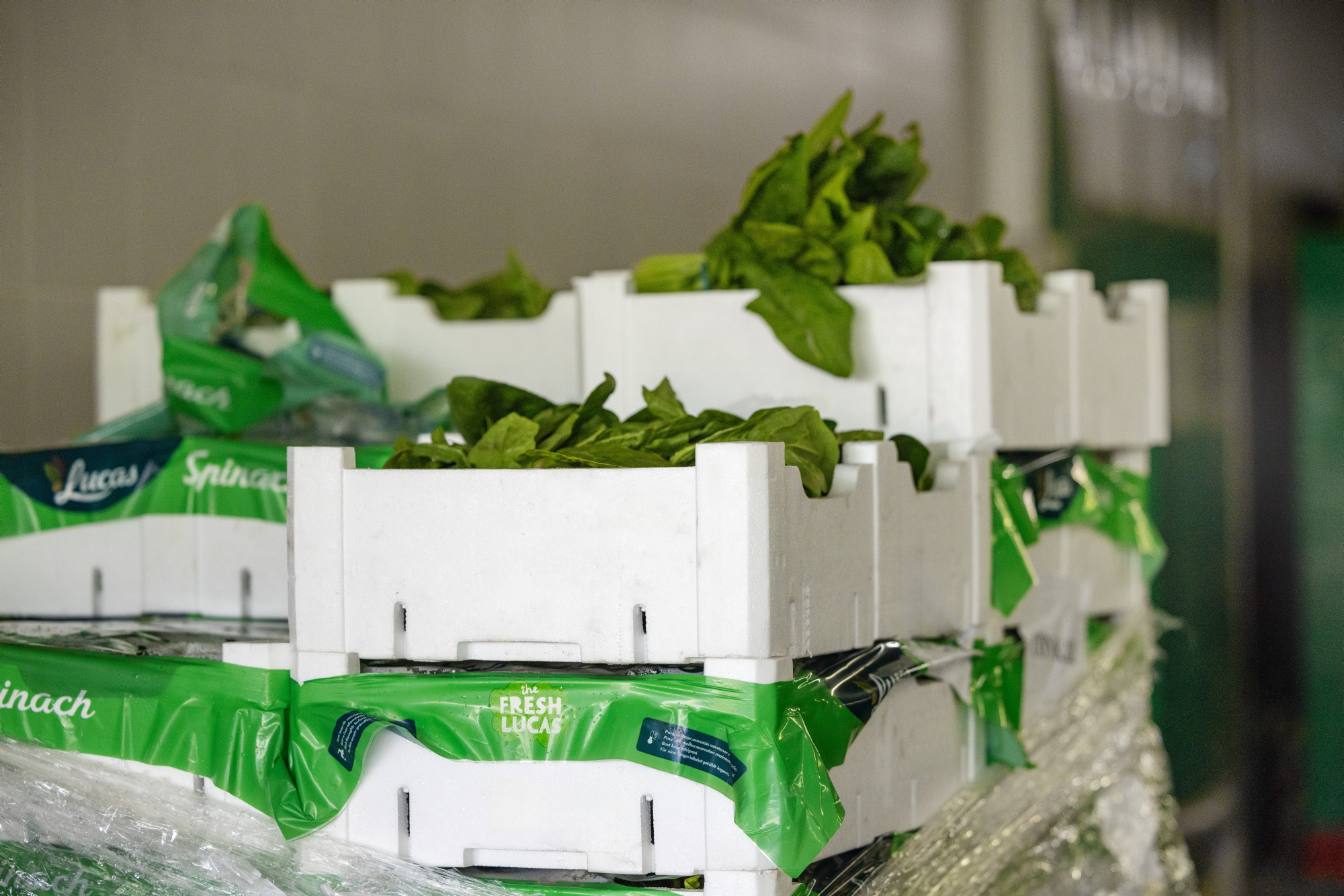
Cold-chain packaging routes need to work in practice
BEWI Connect works with food and cold-chain packaging streams shaped by insulation needs, hygiene requirements, timing, and transport realities – helping connect those flows to more practical commercial routes.
In cold-chain environments, packaging performance and recovery have to coexist
Food and cold-chain operations depend on packaging that protects temperature-sensitive goods through storage, shipment, and handling. That makes materials like EPS operationally valuable – but it also means recovery only works when packaging condition, labels, cleanliness, storage, and reverse movement are properly managed. BEWI Connect helps make that route clearer.
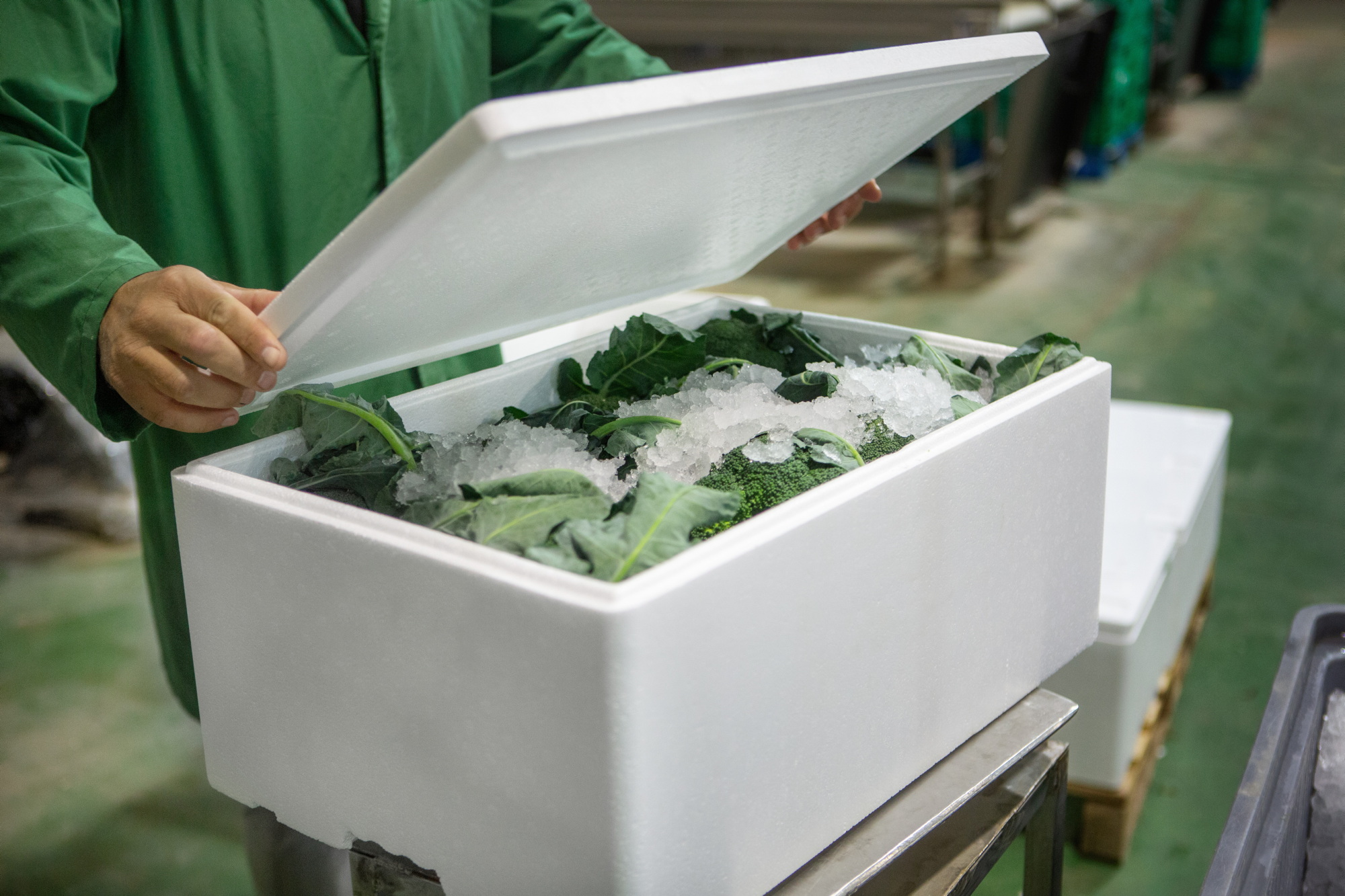
What matters in food and cold-chain material flows

Protection comes first
Cold-chain packaging is selected for performance under real transport and storage conditions, not for simplicity after use.

Handling affects recovery
Labels, residues, storage conditions, and packaging format all influence whether a stream can move practically after use.

Timing matters
In food environments, the route only works when collection, storage, and movement fit the pace of operations.
In cold-chain environments, packaging waste is also a handling and hygiene issue
Food and cold-chain packaging streams can create real commercial value, but only when they are handled in ways that fit operational realities. Bulky packaging can create storage pressure, labeling and residue can affect recovery, and timing often matters as much as material type. That means the route is not only about recycling – it is also about clean handling, reverse movement, and practical executio
Sell materials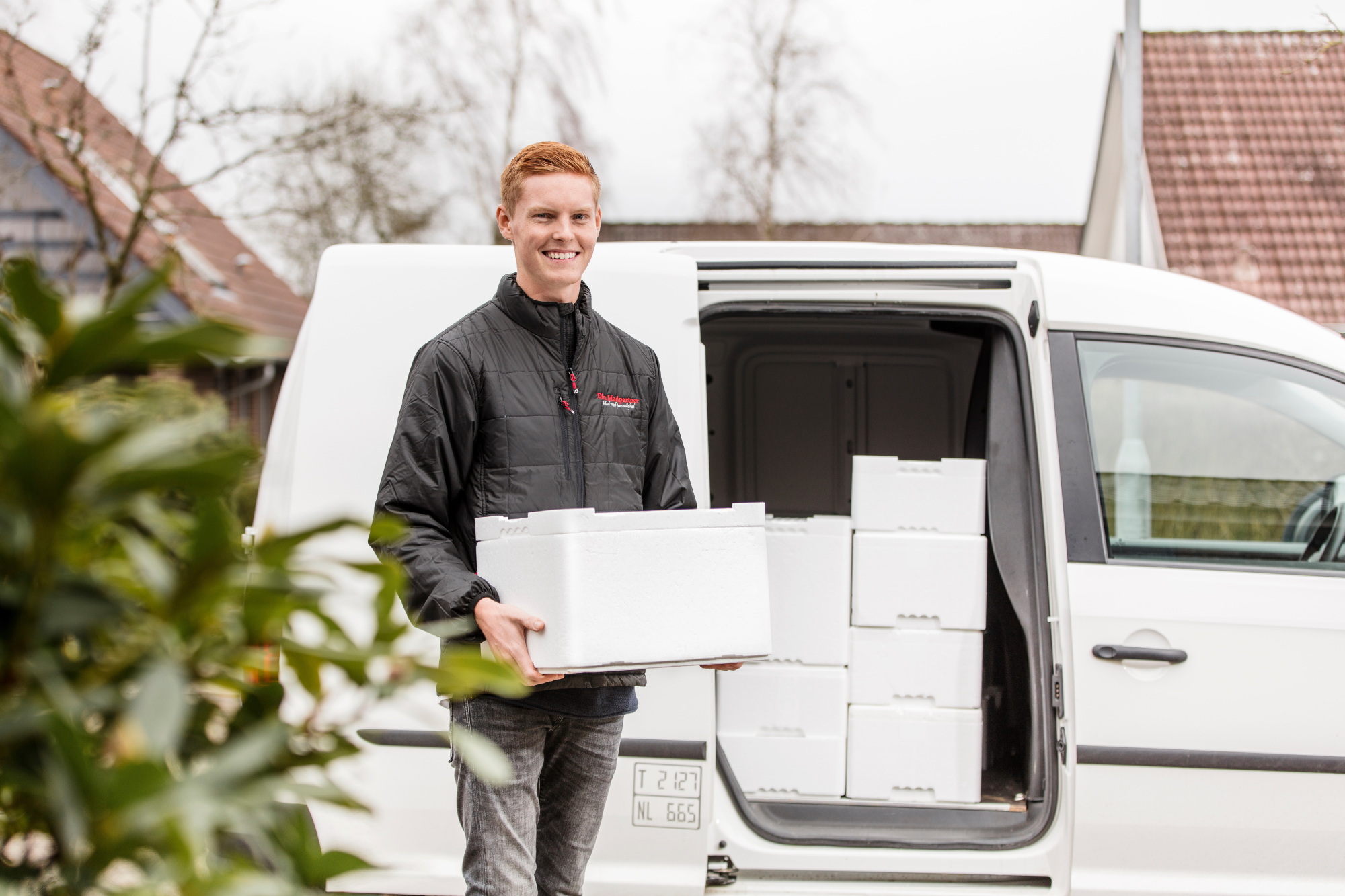
Why BEWI Connect is relevant for food & cold chain

Packaging-stream understanding
We understand that food and cold-chain streams are shaped by insulation, handling, labels, and operational timing.

EPS relevance
EPS is one of our strongest material areas and one of the most relevant categories in temperature-sensitive packaging environments.

Logistics perspective
We help connect recovery to practical movement, coordination, and downstream fit.
Clearer next steps
We help make the route more workable by aligning packaging type, preparation, and commercial direction.
From used packaging to next step
Food and cold-chain material streams move through a route shaped by packaging condition, labels, storage, collection timing, transport, and downstream demand. BEWI Connect helps connect those parts so operators can better understand what is practical, what can move, and what comes next.
Request an evaluation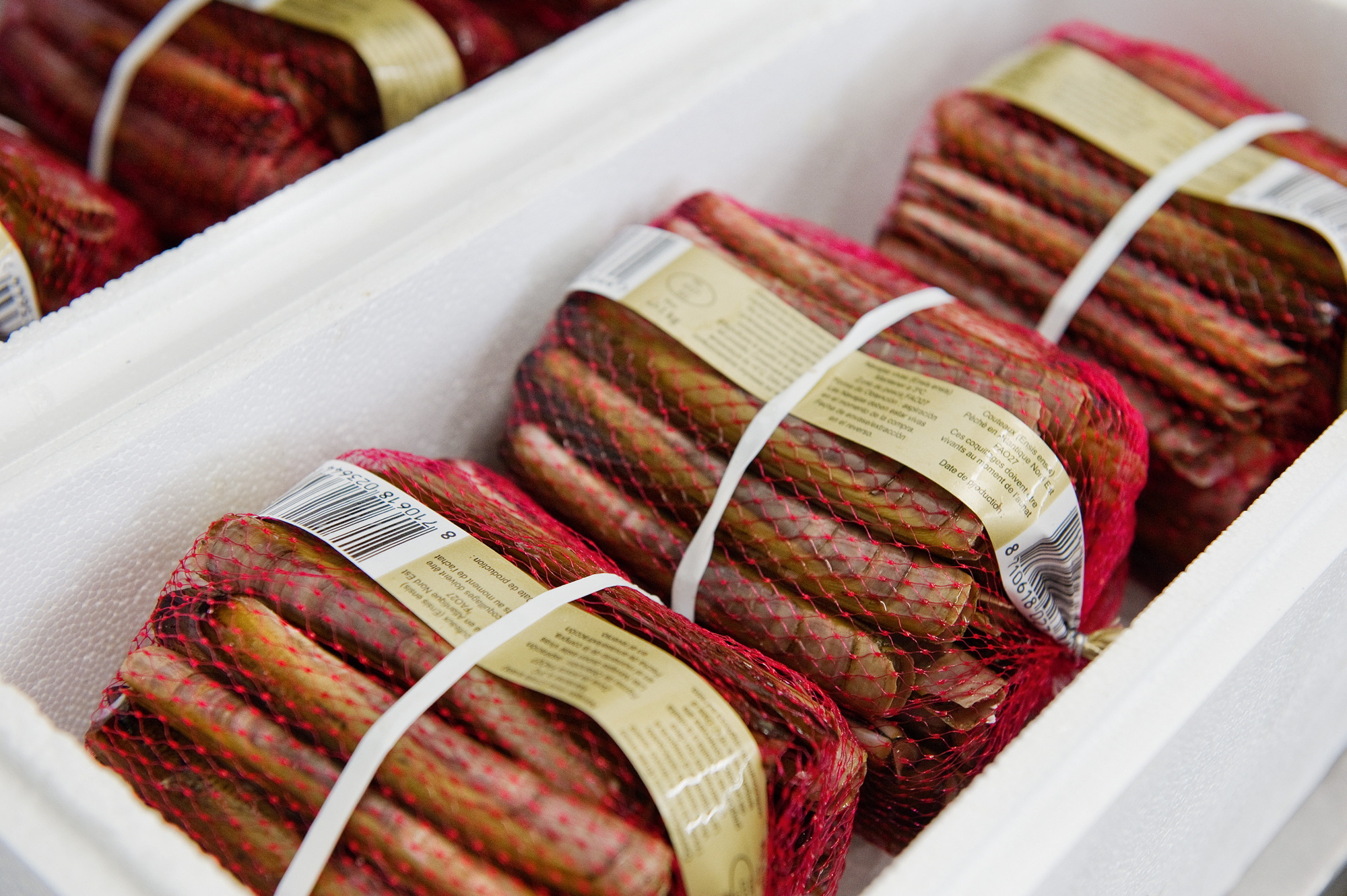
Explore food & cold chain by next step
Whether you want to move used packaging streams, improve handling, or understand the route behind practical recovery, we help direct you to the right place
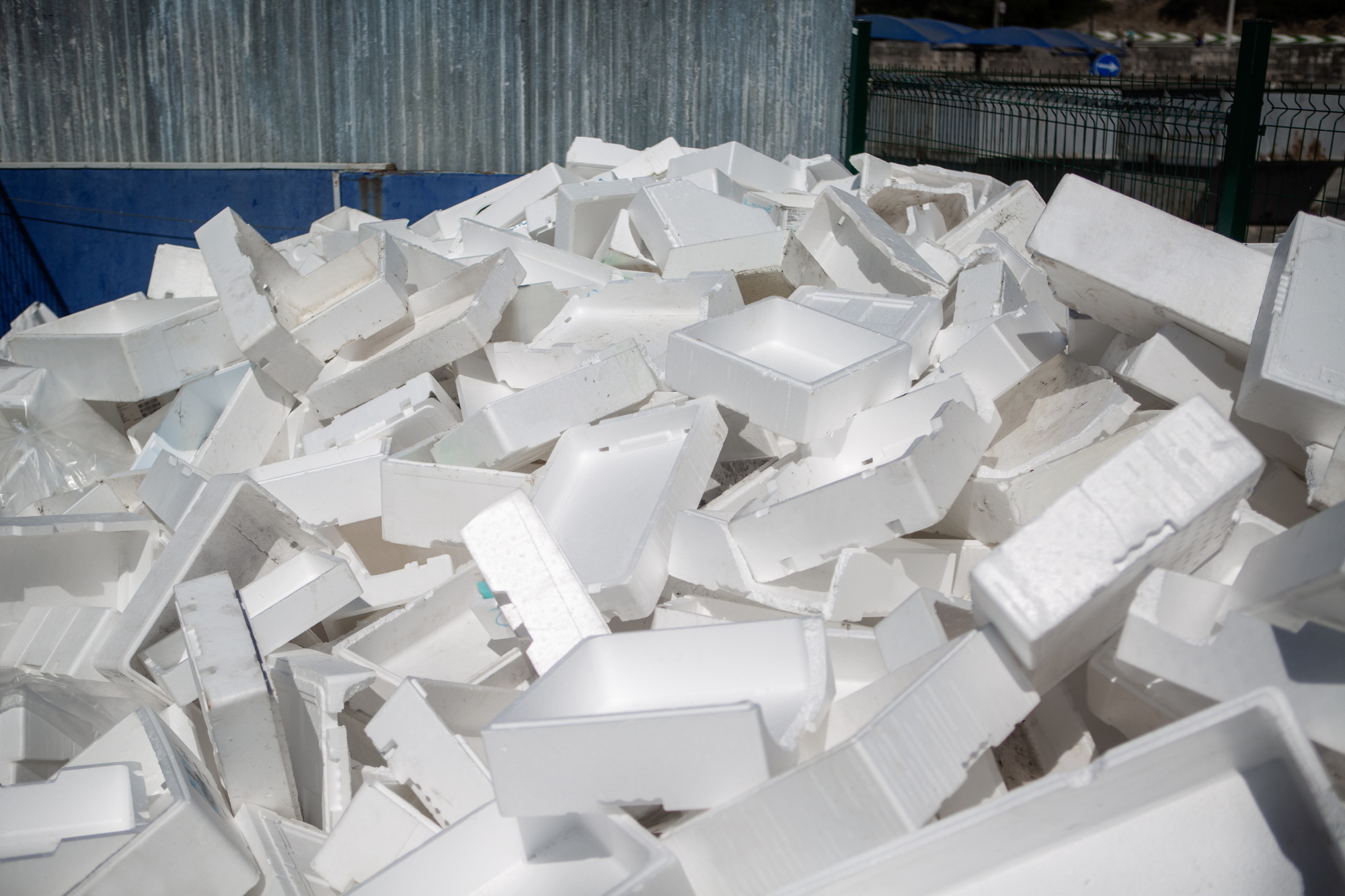
Sell materials
If your operation generates recyclable packaging or recurring material streams, explore how we help move them into value.
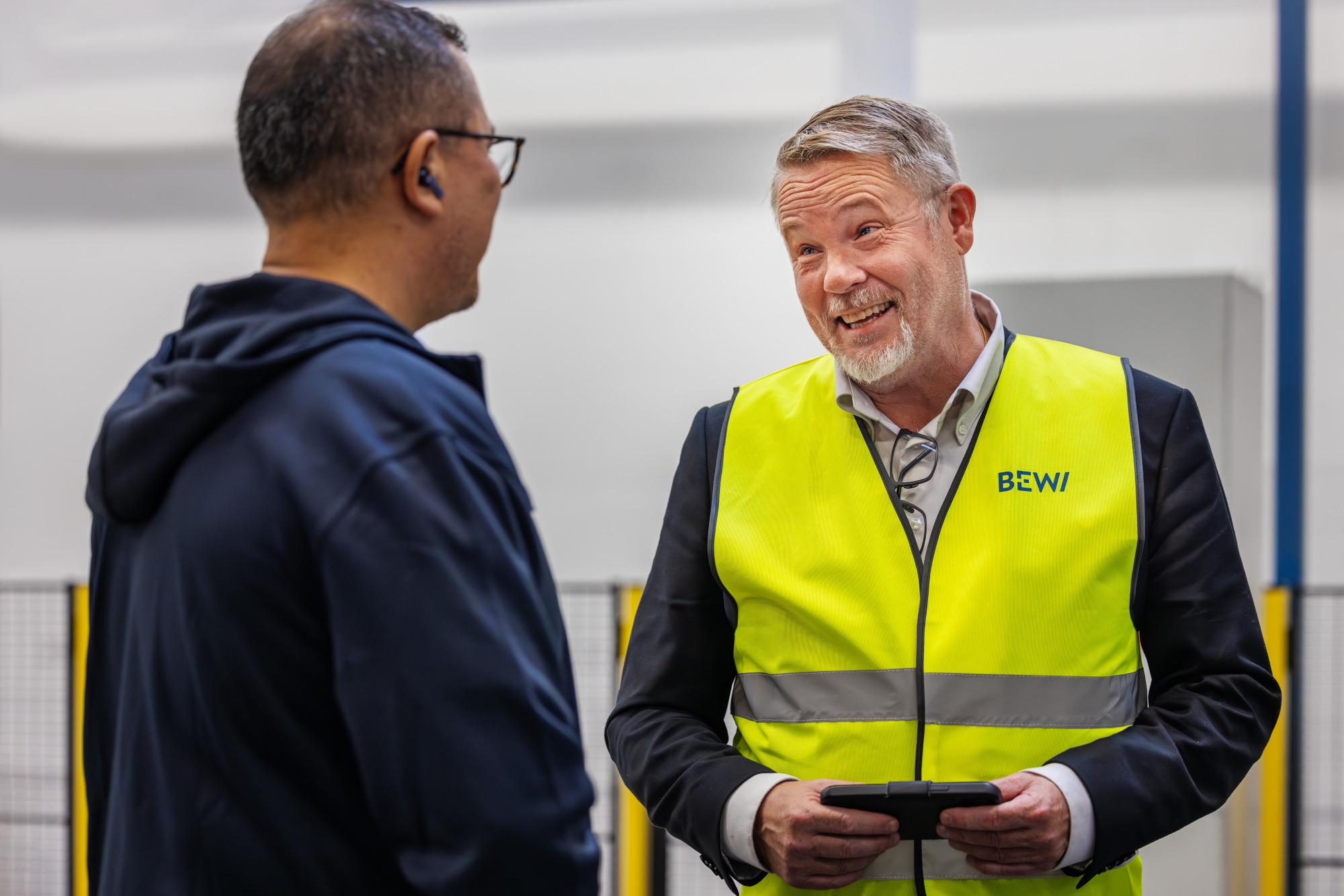
Buy materials
We help connect buyers with relevant material streams where a practical route exists.
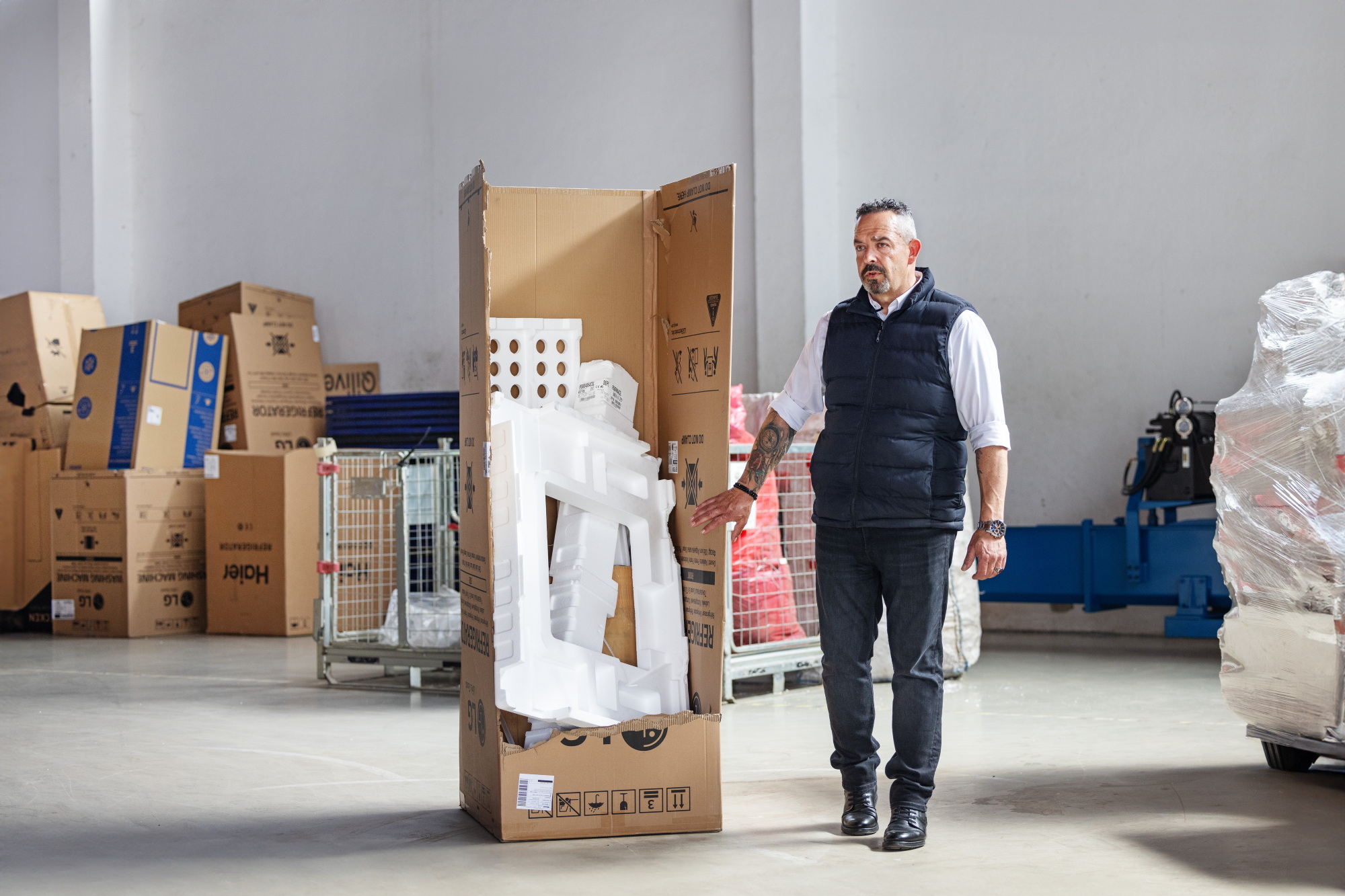
Circular economy
Explore how practical recovery routes connect fish-industry streams to wider circular value.
The best recovery route is the one that fits food operations
In food and cold-chain environments, material recovery only works when it respects operational realities such as hygiene, timing, storage, and flow. That is why the route has to make sense commercially and operationally – not only environmentally. BEWI Connect helps build that more practical route.
Talk to a trader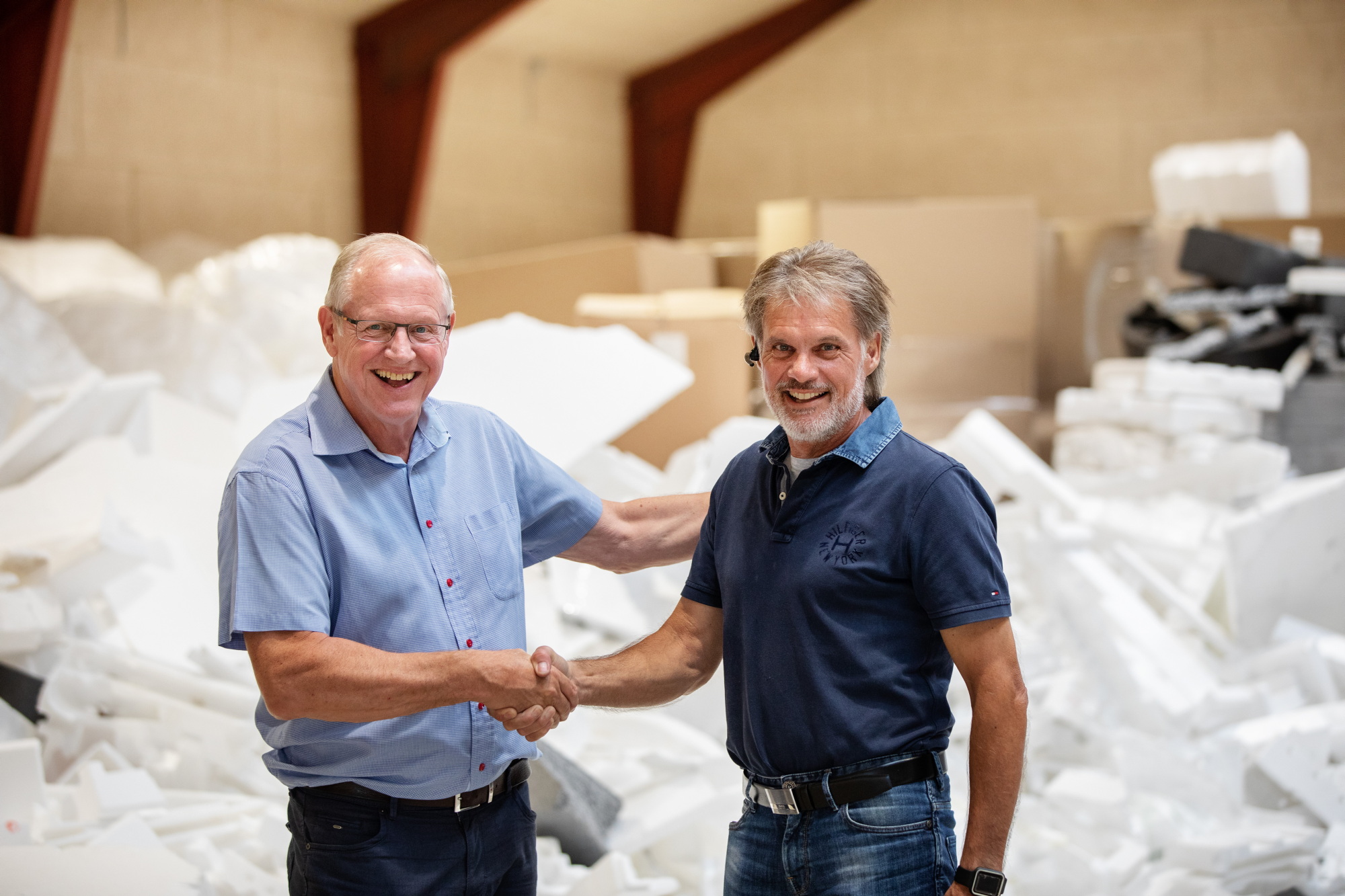
Make your cold-chain packaging stream easier to move
Whether you are dealing with recurring EPS packaging, insulated shipping boxes, or other recyclable streams in food and cold-chain operations, BEWI Connect can help clarify the next step.
Contact us