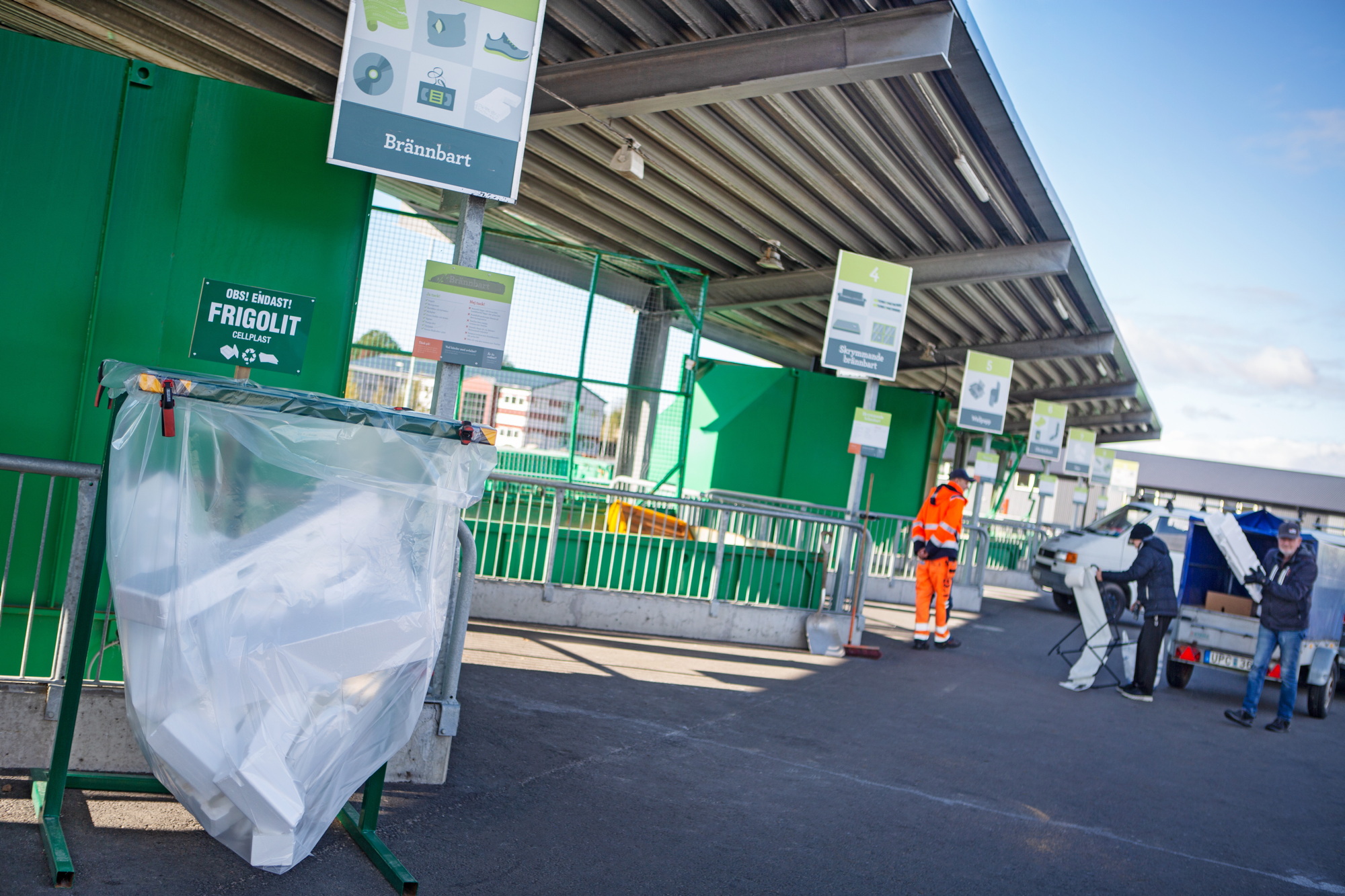
Local collection works better when the downstream route is clear
Municipal and regional recycling programs collect material — but collection is only the first step. What happens to EPS, mixed plastics, fiber, and other materials after collection determines whether the program delivers real recovery outcomes or simply moves material from one holding point to another. BEWI Connect helps connect municipal collection streams to downstream buyers and processors with real intake capacity.
Collection rates matter – but downstream placement is where value is created or lost
Municipal programs are measured on diversion rates, but value is created downstream – when collected material reaches a processor that can actually use it. EPS and polystyrene have historically been the most difficult streams to place in municipal programs. BEWI Connect helps municipal operators and depot managers identify practical downstream routes for materials that are collected but currently lack a clear next step – including EPS, mixed plastics, and other challenging fractions.
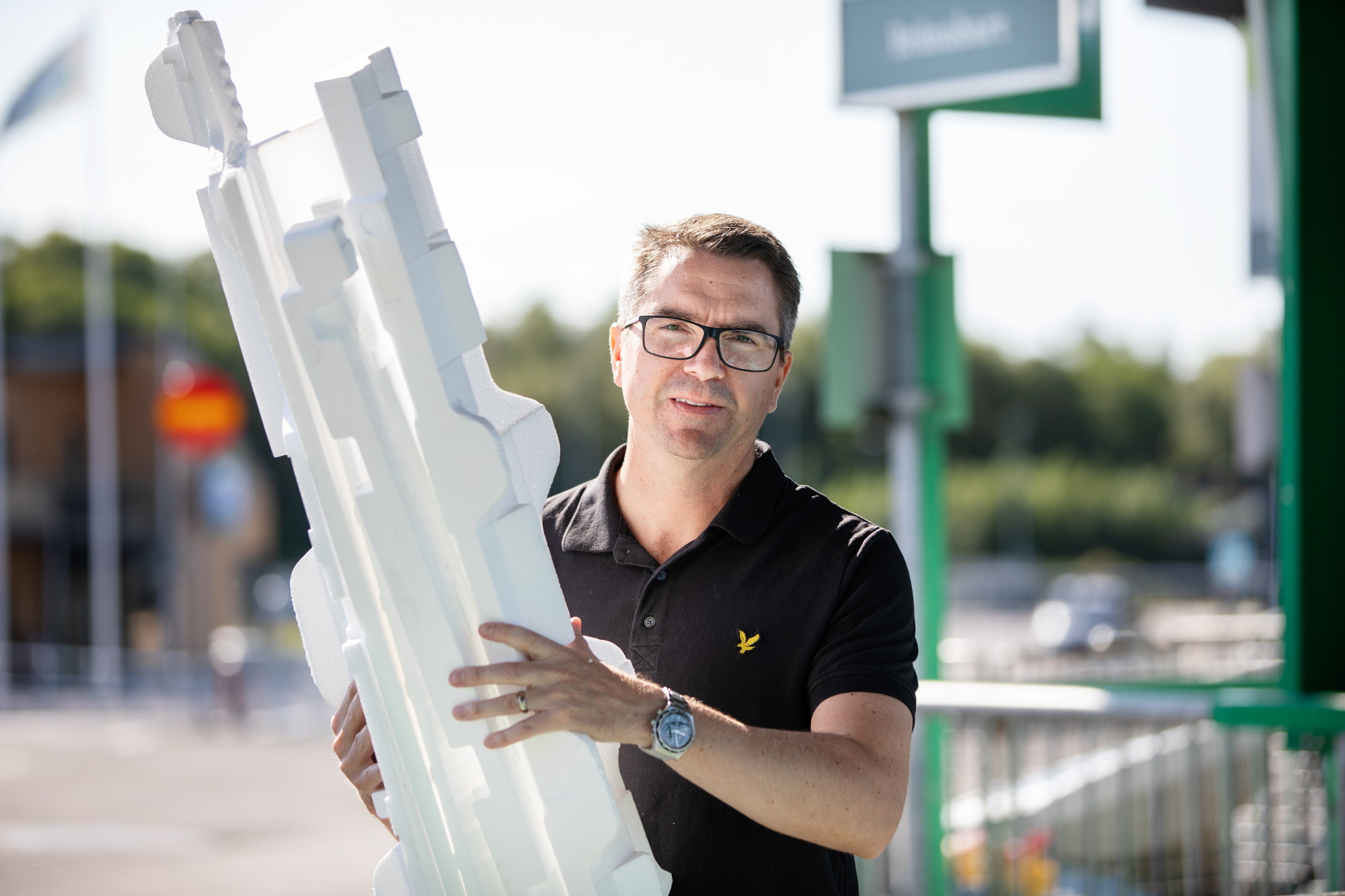
What matters in municipal recycling routes

Downstream placement determines program performance
A collection program that collects material without a viable downstream route creates storage pressure, contamination risk, and ultimately undermines program credibility. We help identify which collected streams have practical downstream routes – and which don't yet.

Contamination control starts at the resident level
Wish-cycling and mixed-material deposits reduce the commercial value of collected streams significantly. Programs that provide clear guidance on accepted materials and preparation requirements collect cleaner material – which places more easily and at better commercial terms.

EPS and polystyrene require specialist
These materials are collected in growing volumes but accepted unevenly across standard recycling infrastructure. We have specific downstream connections for EPS and polystyrene that most municipal operators don't access directly.
Connecting collected material to downstream buyers with real intake capacity
Municipal programs often collect material that then sits at depots or MRFs without a clear next step — particularly for EPS, mixed plastics, and lower-grade fiber. BEWI Connect helps bridge that gap by providing downstream connections for streams that standard municipal trading channels struggle to place. We assess what's collected, match it to buyers with current intake requirements, and coordinate the logistics to move it. The result is collection effort that actually translates into material recovery.
Sell materials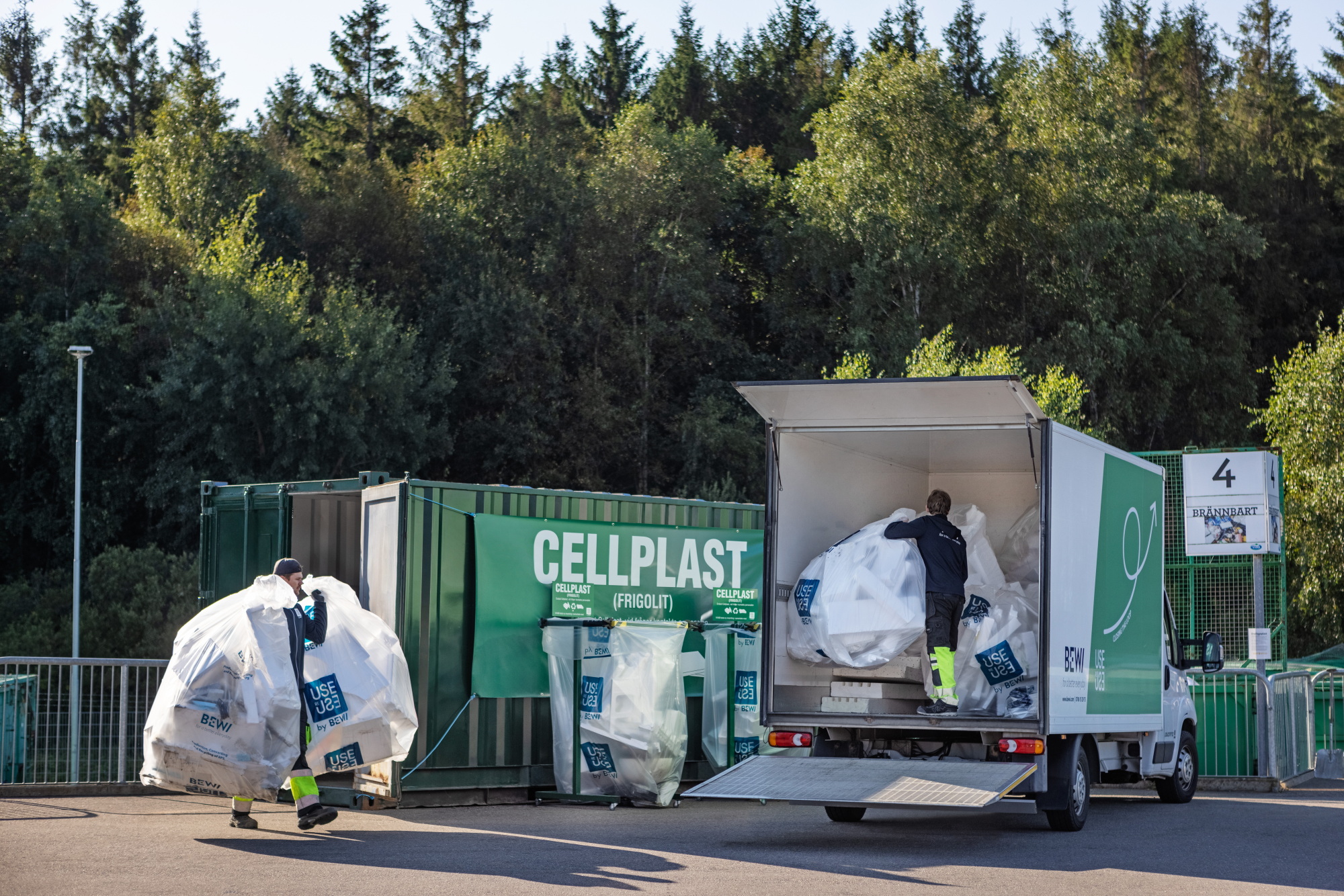
Why BEWI Connect is relevant for municipal recycling

Downstream connections for difficult streams
EPS, polystyrene, and mixed plastics are the streams most often collected but hardest to place. We maintain active downstream relationships for these materials – including EPS processors, rGPPS producers, and recyclers who specifically source municipal stream material.

MRF and depot-compatible logistics
We work with the consolidation points, transfer stations, and MRFs that municipal systems operate through– not just with single large generators. That means we understand how to coordinate pickup and transport from multiple collection points efficiently.

Volume aggregation where individual sites don't qualify
A single municipal depot may not generate sufficient volume to justify direct processor relationships. We aggregate across multiple collection points where that creates a viable trading volume that wouldn't otherwise exist.
Honest assessment of what's tradeable
Not everything collected through municipal programs has a practical downstream route at current market conditions. We give municipal operators a direct assessment of which streams are commercially viable and which aren't – so program planning reflects reality.
How municipal streams connect to downstream processors
Material collected through municipal programs arrives at depots or MRFs, is sorted or consolidated, and moves to downstream processors when a viable route exists. EPS collected through drop-off programs moves to densification and then to EPS processors. OCC from commercial programs moves to paper mills. The key question for each stream is whether volume, quality, and logistics economics support a commercial route– or whether aggregation with other sources is required to create viable loads.
Request an evaluation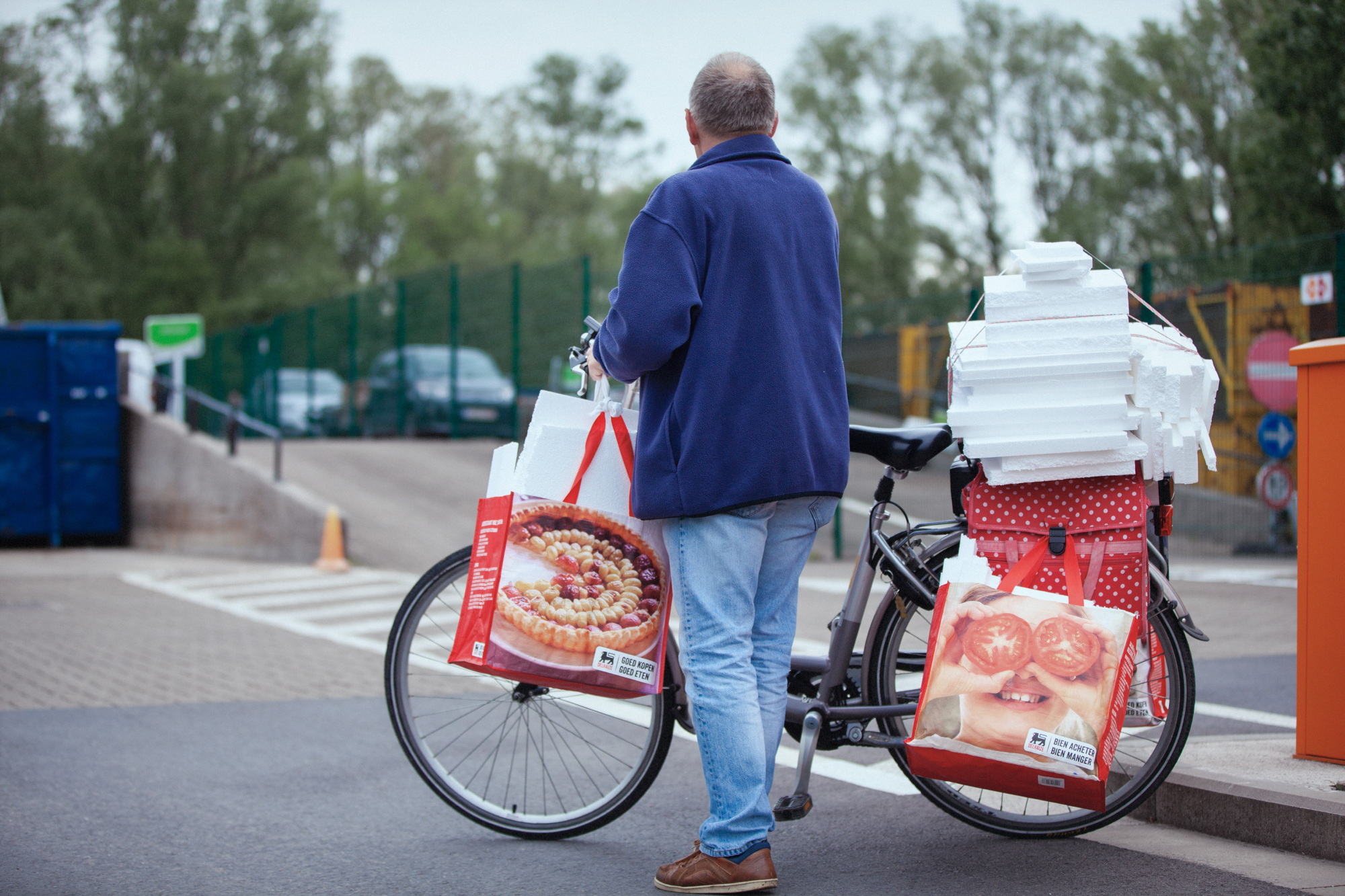
Next step
Explore municipal recycling by next step
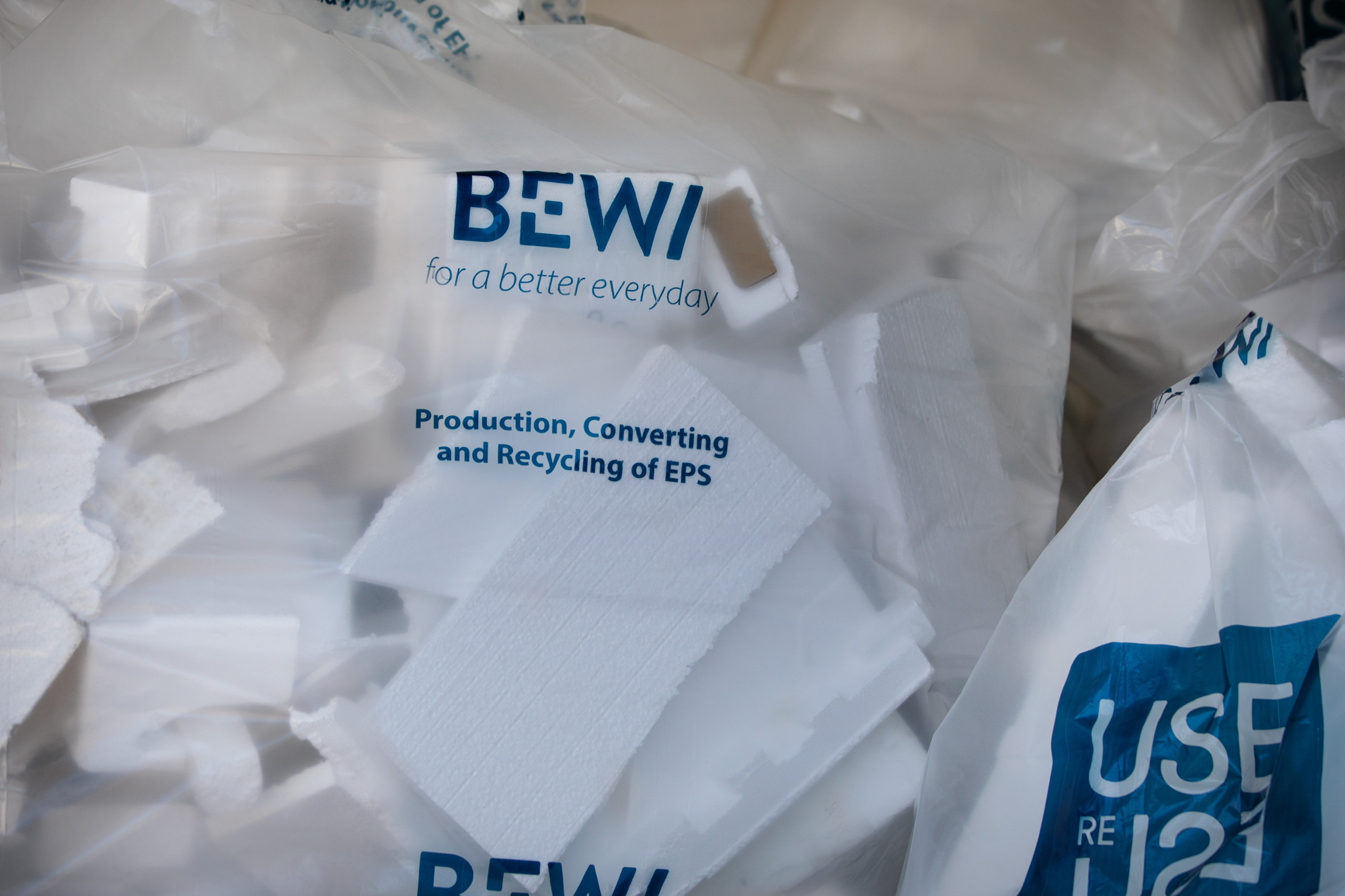
Sell materials
If your municipality or depot collects EPS, plastics, fiber, or other recyclable streams, explore how we help identify downstream routes and move material into value.
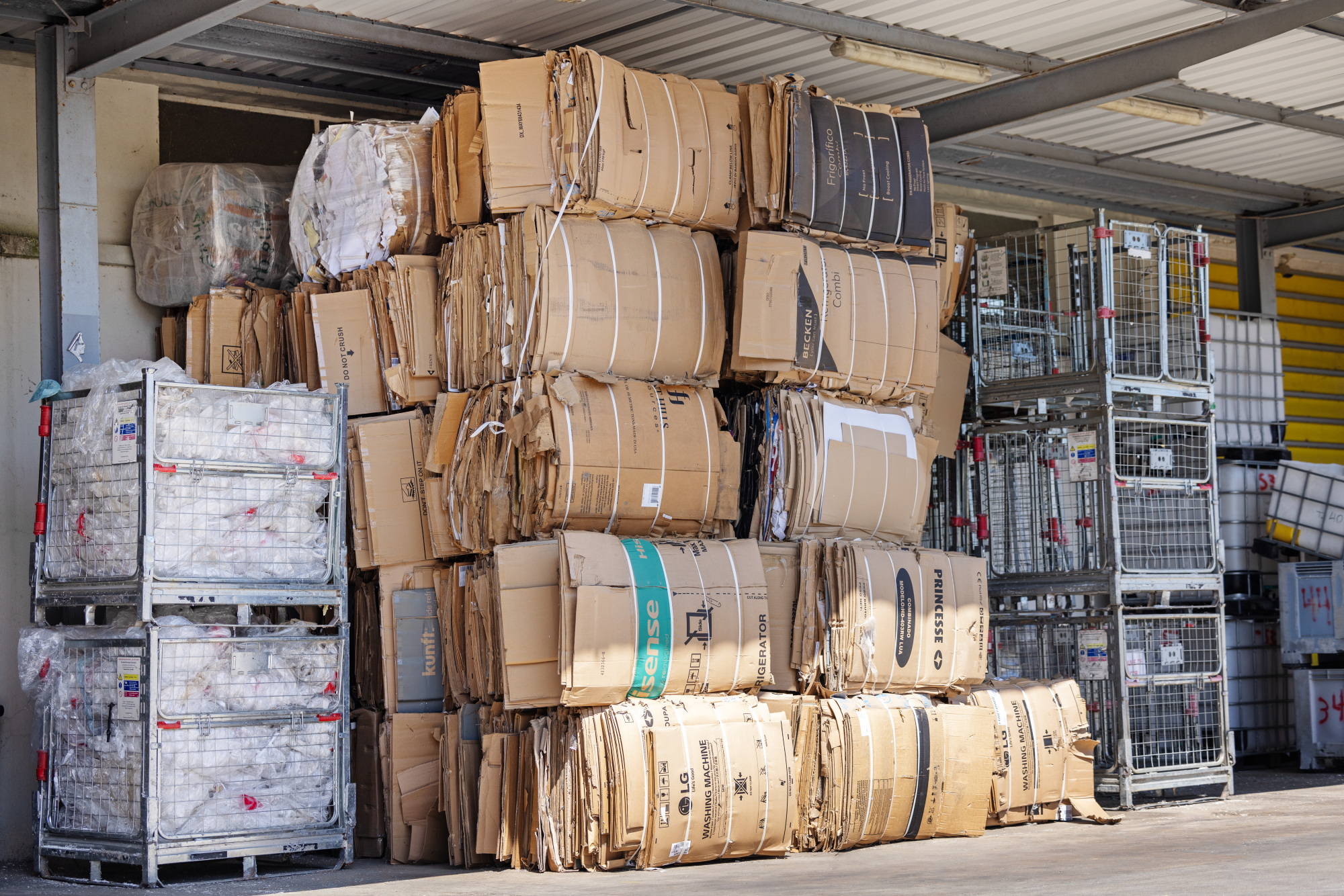
Buy materials
If you source collected recyclable material for processing, we help identify municipal stream supply that matches your intake specification.
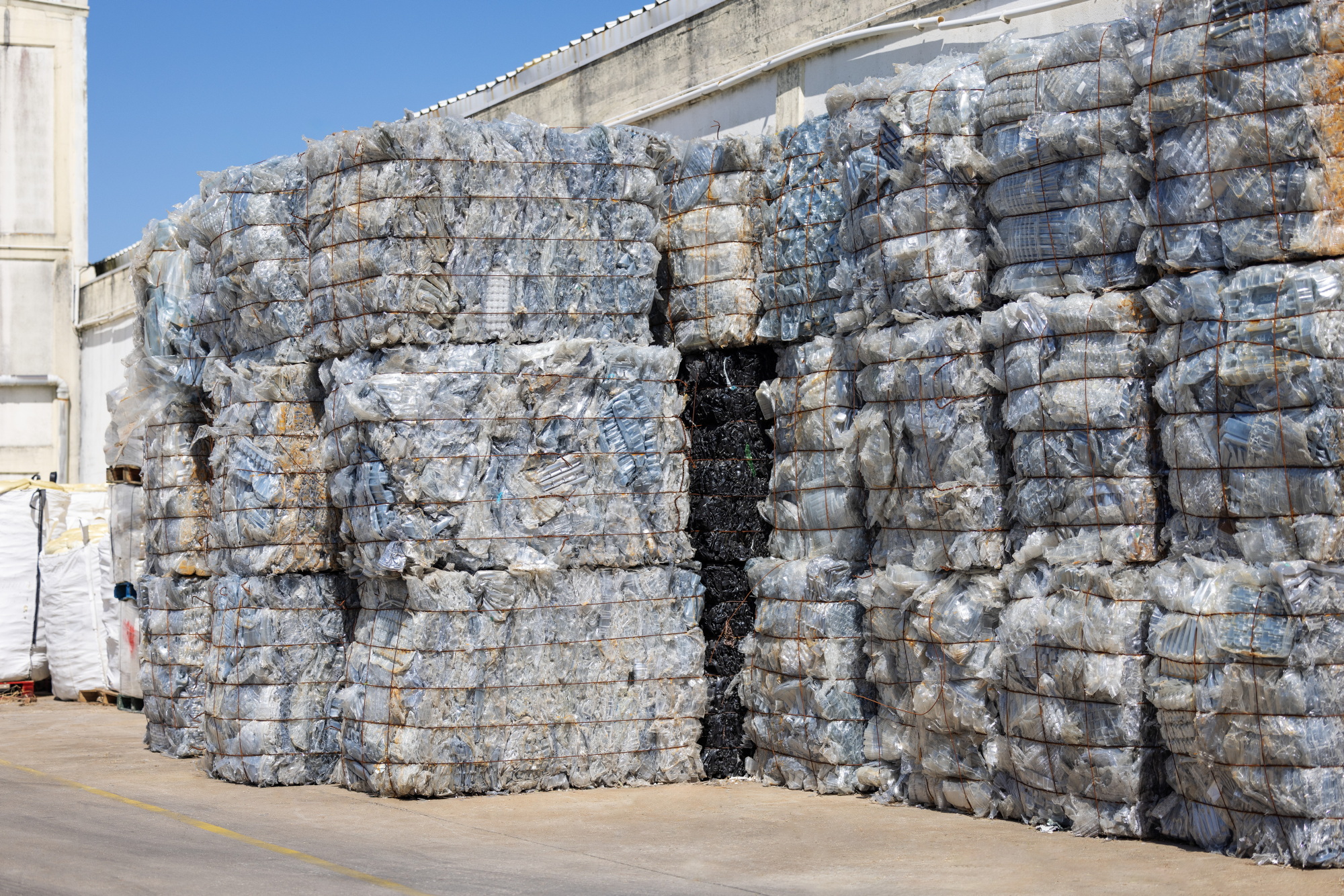
Circular economy
See which materials collected through municipal and regional programs BEWI Connect actively trades – and what makes each stream commercially viable.
Collection without placement is just temporary storage
Municipal programs that collect material without viable downstream placement create storage pressure at depots, undermine resident participation when material is seen to "go nowhere," and ultimately reduce program credibility. We help build the downstream side of that equation – so collected material moves into actual use rather than waiting for a route that may not materialise.
Talk to a trader
Ready to find downstream routes for your collected material?
Tell us what streams your program collects, where material is currently being stored or processed, and what volumes are involved. We'll assess which streams have viable commercial routes and what the logistics require to move them.
Contact us